Seven goals. Barcelona put seven past Newcastle United at Camp Nou on the eighteenth of March, a 7-2 rout that turned a tie level at 1-1 after the first leg into an 8-3 aggregate defeat — a scoreline that read less like a football result than a coroner’s finding. The Champions League run was over at the last sixteen. What followed was a slow bleed of a spring: a 12th-place finish, five points adrift of Europe, and the particular Tyneside indignity of watching Sunderland close the season seventh. The expected-goals table said Newcastle should have finished tenth. They didn’t even manage the mediocrity they’d earned.
And yet. Look at the attendance column for that miserable campaign and something strange appears. Average home league gate: 52,161. Highest: 52,514, against Everton in February. Lowest: 51,109, for an FA Cup tie against Manchester City that Newcastle lost 1-3. In a season with almost nothing to recommend it, in a stadium holding a shade over 52,000, they filled it. Every week. The football was rotten and the queue on Barrack Road never shortened.
That is where this story actually starts. Not with a signing or a sacking, but with a fanbase that kept turning up through the worst of it — and with a club that spent the winter looking dead while, underneath, everything was being rearranged.
The unmaking
June and July took the spine out. Sandro Tonali to Tottenham for £92.5m, becoming that club’s record signing on arrival. Bruno Guimarães — the heartbeat, the top league scorer, the man who kissed the badge — to Arsenal for £75m. Anthony Gordon, England’s man at the World Cup and the closest thing this squad had to one of their own, to Barcelona for £68m. Kieran Trippier gone on a free to Wolves. Matt Targett and Emil Krafth released.
Some £236m out of the door in nine weeks, and three of the best players in black and white walking through it. For supporters who’d been asked for four years to trust a process, it felt for a fortnight like the removal men had been given a key.
Then, on the last day of July, Eddie Howe resigned. Four years and eight months — nearly the whole PIF era in one man. He had taken this club off the floor in November 2021 and put a trophy in its hands at Wembley for the first time in seventy years. Whatever you thought of his final season, his leaving felt like the end of something that wasn’t supposed to end yet.
By the first week of August, Newcastle United had no manager, no Bruno, no Tonali, no Gordon, and a Premier League opener against Liverpool three weeks out.
The chrysalis
Here is where the club moved faster and more decisively than at any point in its modern history.
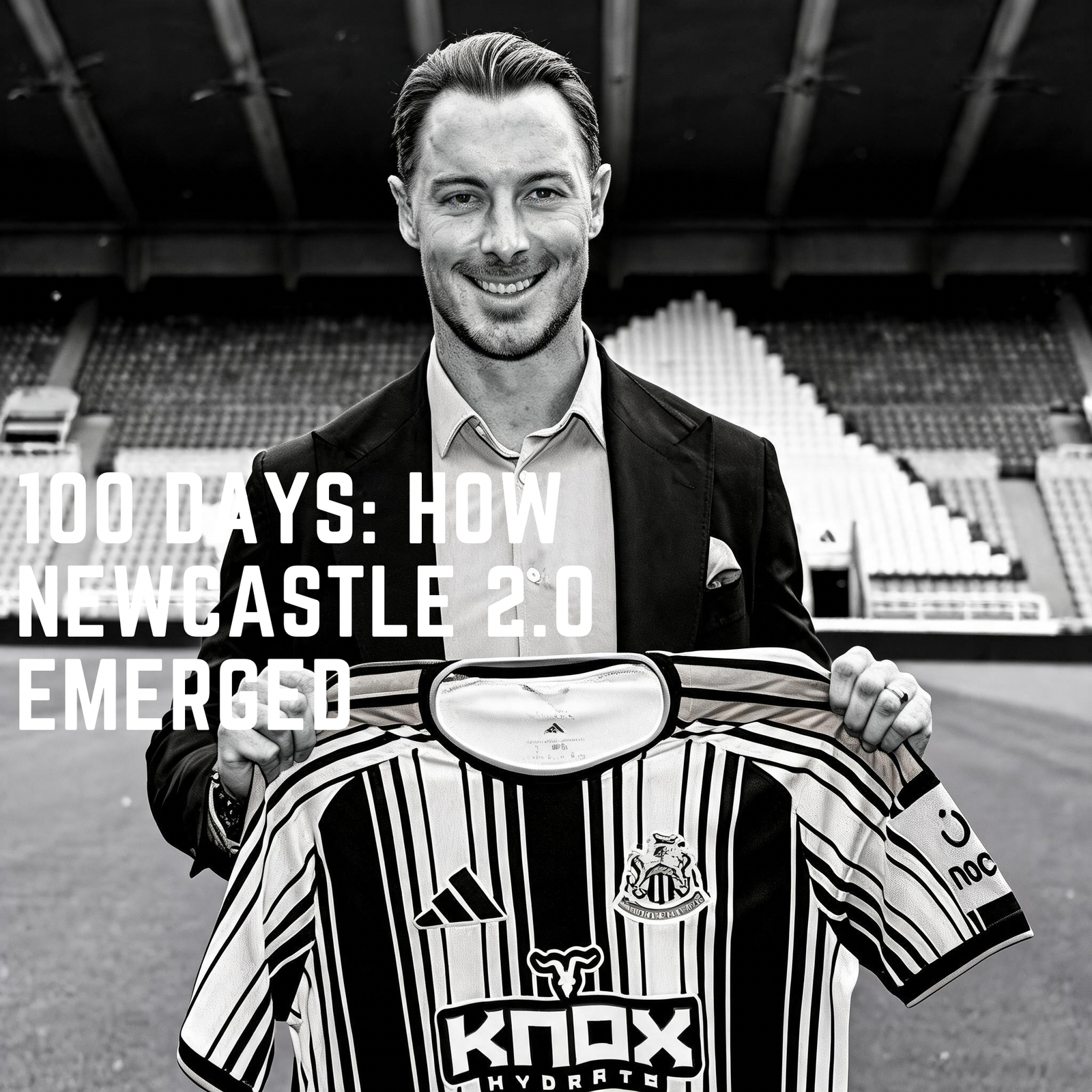
Matthias Jaissle — thirty-eight, an Austrian double at Red Bull Salzburg, back-to-back AFC Champions League titles at Al-Ahli, the first coach ever to manage that feat — signed a four-year deal. Al-Ahli didn’t want to lose him; Newcastle paid £9.5m to make the objection academic. Paperwork delays meant he joined the squad mid-camp in La Manga rather than at St James’ Park, coaching players he’d barely met, a fortnight before the season.
When he finally walked out onto the pitch on Barrack Road, he turned to his assistants and found them doing the same thing he was: smiles and goosebumps, in his words. Within days he was on Instagram — the first Newcastle head coach since Rafa Benítez to bother with it — thanking supporters for the welcome and saying he could feel the right energy in the place. A small thing. But this is a city with a long memory for managers who talked down to it, and Jaissle, in careful, excellent English, did the opposite.
He also refused to lie. Asked what he’d achieve this season, he wouldn’t promise anything, described the squad as being in a transition phase, and said plainly that none of it would happen overnight. His message to supporters was four words: “keep the optimism.” Coming from a man who’d just inherited a demolition site, it landed as honesty rather than spin — and on Tyneside, honesty buys more goodwill than a press-conference guarantee ever has.
The rebuild, in numbers
Roughly £215m of that £236m went back out into the market on seven signings — and then, on deadline day itself, a further £51.4m on an eighth, taking total spend past what the summer’s sales brought in. The shape of the business tells you everything about the plan.
Nico González arrived from Manchester City for £48m — the experienced midfield anchor supporters had been begging for, and the statement that steadied the whole window. Bazoumana Touré came from Hoffenheim for £43m. Amar Dedić, a full-back who’d played under Jaissle at Salzburg and can operate on either flank, from Benfica for £30m. Then Aladji Bamba from Monaco (£30m), Lukáš Horníček from Braga (£26m), Sean Steur from Ajax (£20m) and goalkeeper Ewen Jaouen from Reims (£18m). And finally, completed today: Matias Fernandez-Pardo, the 21-year-old Belgium international, arriving from Lille for £51.4m on a five-year deal — a front-line forward who started 27 league games for a Lille side that finished third in Ligue 1 last season, and a player Newcastle had tracked for well over a year before finally landing him.
Eight signings, an average age of twenty-one among them, layered onto a spine — Burn, Schär, Murphy, Botman, Thiaw — that isn’t going anywhere. This is sporting director Ross Wilson’s thesis made flesh: he has said openly that the club expects to find more value outside the Premier League than inside it, and he has now spent a summer proving he meant it. Sell at peak, buy before the peak, and back the difference with fresh conviction when the right player appears. Newcastle finished this window having spent more than they sold, on a squad five years younger in its most important positions.
Bricks, mortar and a balance sheet
The part that will outlast any transfer window is happening away from the pitch.
Newcastle posted record revenue of £335.3m last year, with commercial income up 44% to £120.1m — the first time this club’s off-field engine has looked remotely like its ambitions. That money is already visible. Around £30m has gone into St James’ Park, the academy, Cochrane Park and the training centre, which has been rebuilt to roughly double its previous footprint and rebranded as The KNOX for this season. Supporters will notice smaller things too: screens on the concourses, more clocks around the stands. Trivial, until you remember that Amanda Staveley once described the training ground she inherited from Mike Ashley as, simply, a joke.
And the biggest question of all is finally moving. PIF is reportedly prepared to dilute its 85% holding to around 63.75% to bring in outside equity — capital pointed at either a redeveloped St James’ Park or a new ground at Leazes Park, a project that runs past £1bn. Nothing is signed. But after four years of the stadium question being kicked down the road, the machinery is turning.
Nine days in August
None of which would matter without a football team, and the football team has been quietly magnificent.
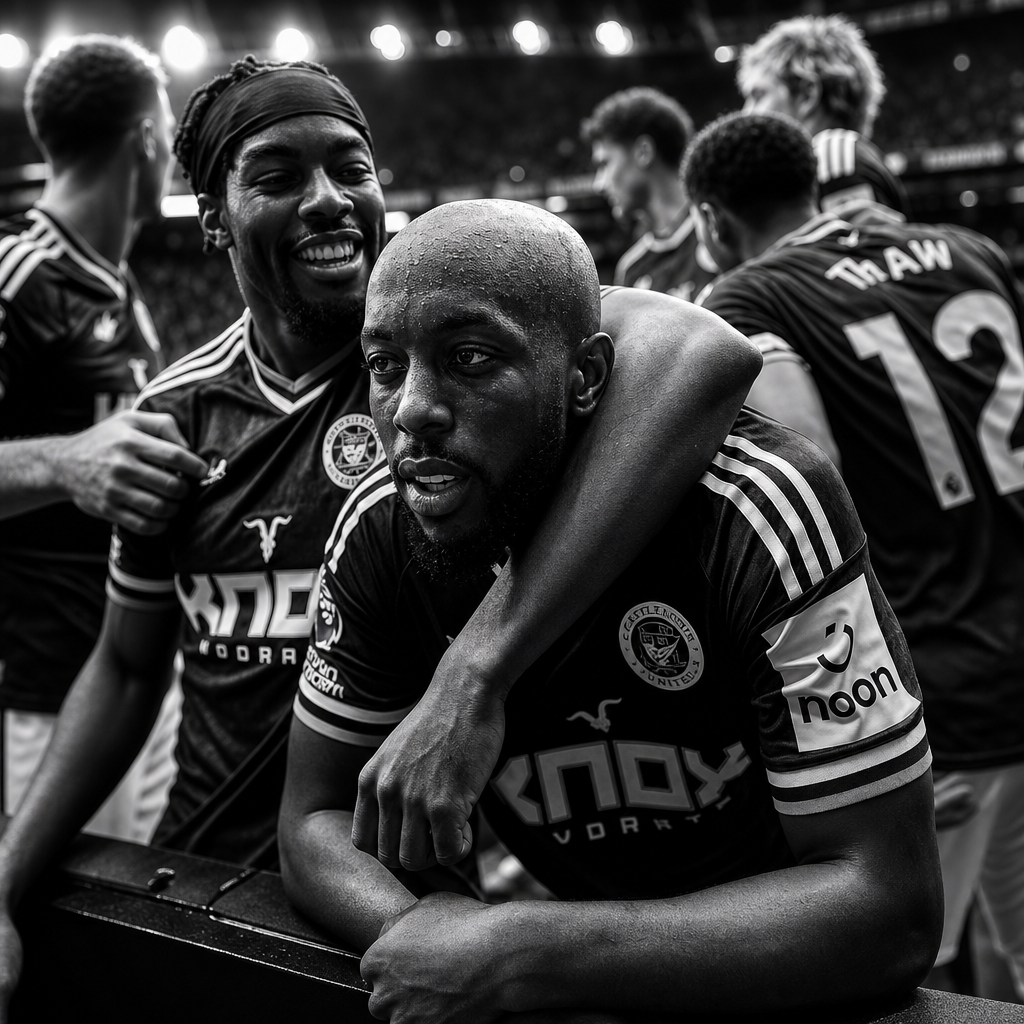
Liverpool at home on the opening weekend: 2-2, Newcastle the braver side for long stretches, undone only by a Dominik Szoboszlai penalty in the ninety-ninth minute. Three days later, West Brom in the Carabao Cup, and a proper test of character — a goal down inside twenty minutes at St James’ Park before Touré scored on his debut and substitute Harvey Barnes struck twice, the winner on 81 minutes, for 3-2 and Jaissle’s first win. Four days after that, Tottenham Hotspur Stadium: 2-0, Yoane Wissa and Anthony Elanga, three points on the road against a top-six side.
Three games, nine days, unbeaten. A rebuilt squad with an average age of twenty-one in its new intake, a coach who’d been in the country a month, and not a single collapse when the pressure came.
What happens now
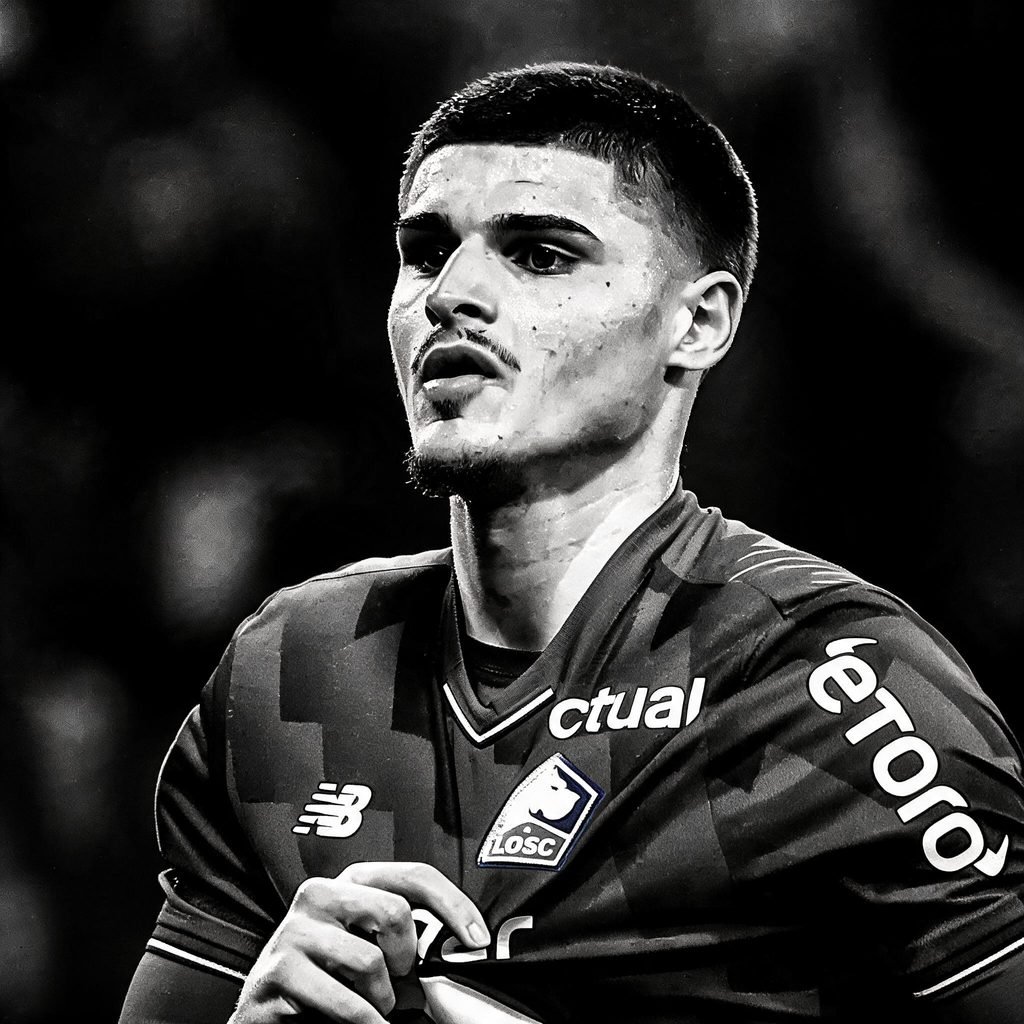
Today is deadline day, and the window shuts at 11pm. The Fernandez-Pardo deal is already done and dusted — the headline arrival of the window, signed, sealed, medical passed. What’s still live as the clock runs down is the other end of it: Nick Woltemade’s future, with Juventus understood to be closing in on a loan. By midnight, Jaissle will know the final shape of the squad he’s building his first season around.
Be clear-eyed about this season. Jaissle has said the word “transition” more often than any other, and he means it. The realistic ambition is a top-half finish, a coherent identity, and young signings surviving their first English winter. Europe would be a bonus and nobody should treat it as a birthright after a 12th-place finish.
But three to five years out, the shape is unmistakable. A coach whose entire career has been built on making sides greater than the sum of their transfer fees. A recruitment model that sells high, buys early and stays within the rules. Record commercial revenue. A training ground reborn. A stadium decision finally in motion. Five separate strands, for the first time since October 2021, pulling in the same direction at once.
Newcastle spent last winter looking finished. What was actually happening was the slower, uglier, more necessary work of a thing dismantling itself in order to become something else. Walk up towards the Gallowgate now, on a September evening with the cold coming up off the Tyne, and you can hear it in the noise before you reach the turnstiles.
They never stopped coming. Now they’ve got something to come for.
How do you feel about the club after a roller coaster summer? Where do you think the club will finish in the league this season? What are your expectations? Join the conversation on X @mytoonarmy #NUFC