Sixty million pounds a year, guaranteed for five seasons, confirmed on a Tuesday morning in September. Turkish Airlines’ logo will replace Standard Chartered’s on Liverpool’s shirt from 2027/28, and within hours a Newcastle supporter on X had done the only useful thing anyone could do with that number: held it up against Knox Hydrate’s £20 million a year and asked the obvious question. How does a club backed by one of the richest sovereign wealth funds on the planet end up being outspent three-to-one on shirt sponsorship by an airline?
The uncomfortable answer is that Newcastle isn’t losing this fight by accident, and it isn’t losing it purely on merit either. It’s losing it because the Premier League rewrote its rulebook within weeks of PIF’s arrival, specifically to stop state-backed owners inflating club revenue through their own companies. Newcastle is now boxed in by rules its own takeover provoked.
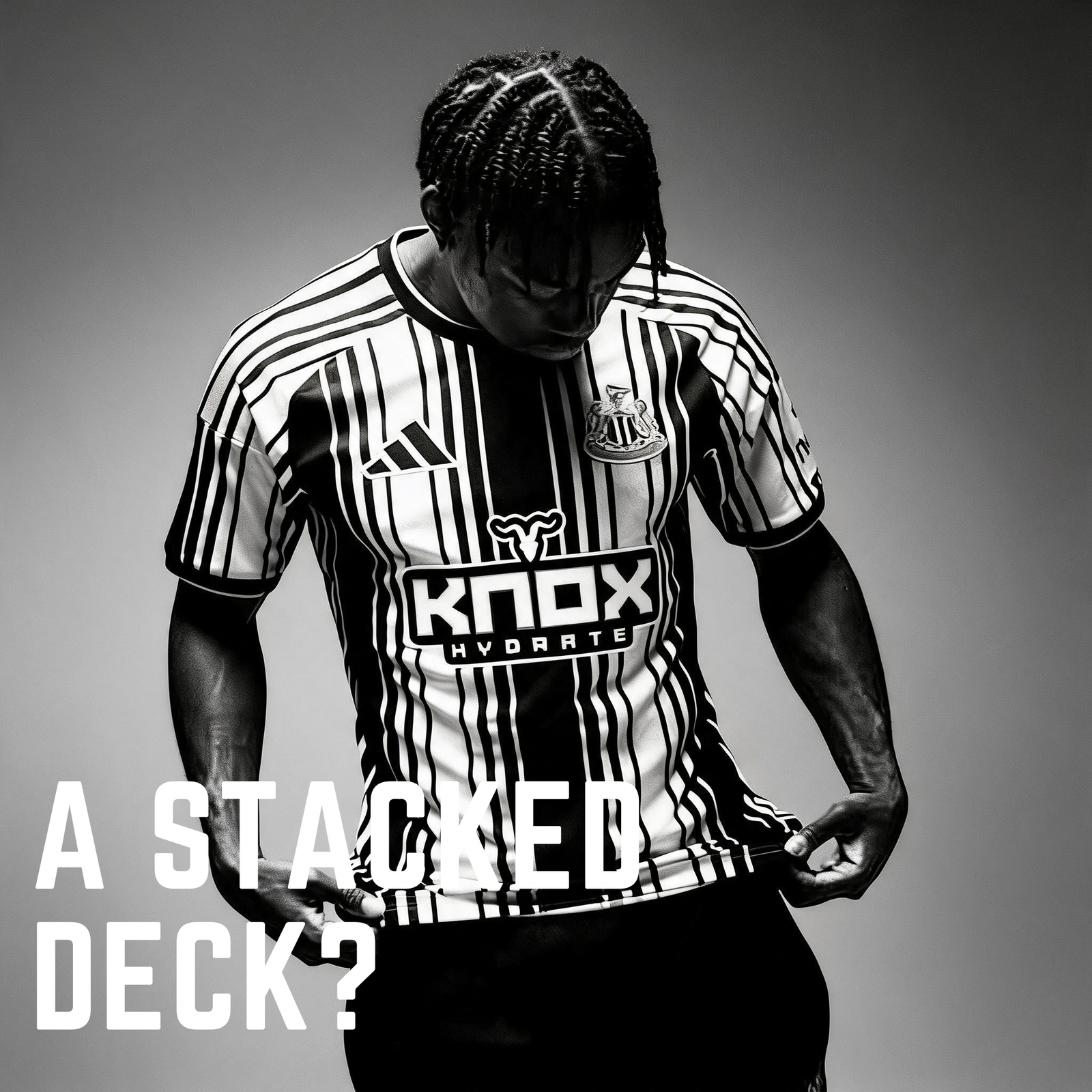
Start with what Knox actually represents. The £60 million deal, split roughly £10 million in year one rising to £25 million a year after that, replaced Sela — the Saudi events company backed by PIF that had occupied the shirt front since 2023. There’s also an £18 million training-ground naming agreement running alongside it, with Darsley Park now branded as The Knox. Chief executive David Hopkinson called it transformative for the club. It’s a decent deal by the standards of clubs finishing mid-table without European football. It is not remotely close to what the traditional aristocracy commands, and the gap between “decent” and “competitive” is the whole argument in miniature.
That gap has a name: the Premier League’s Associated Party Transaction rules, introduced on 14 December 2021, weeks after PIF completed its takeover, and tightened twice since, in March and November 2024. The mechanism is straightforward enough — any commercial deal between a club and an entity connected to its ownership has to clear an independent Fair Market Value assessment before the league will count the revenue, with anything over £1 million a year or 5% of turnover going to the Premier League board for review. What it means in practice is that PIF cannot simply route money to Newcastle through a friendly sponsor and call it commercial income. Sela’s 2023 deal was, by the league’s own admission at the time, treated as a live test of exactly that mechanism, partly because Newcastle chairman Yasir Al-Rumayyan also sits on the board of Qiddiya, the PIF-owned entertainment project that Sela’s founder is separately linked to. Overlapping ownership, overlapping directors — precisely the structure the rules exist to police.
Newcastle’s restraint since has been almost pointed. PIF is currently in the process of acquiring EA Sports, and sources close to the club were explicit this summer that Newcastle deliberately didn’t pursue a shirt deal with EA, choosing Knox instead specifically so as not to lean on related-party transactions to inflate revenue. That’s a club voluntarily walking past money it could plausibly have taken, because the regulatory environment around it makes even a clean deal with a PIF-adjacent company a headache not worth having.
Here’s where the irony sharpens into something with real teeth. The APT rules exist in their current form largely because of what Manchester City are alleged to have done for the best part of a decade before anyone was checking.
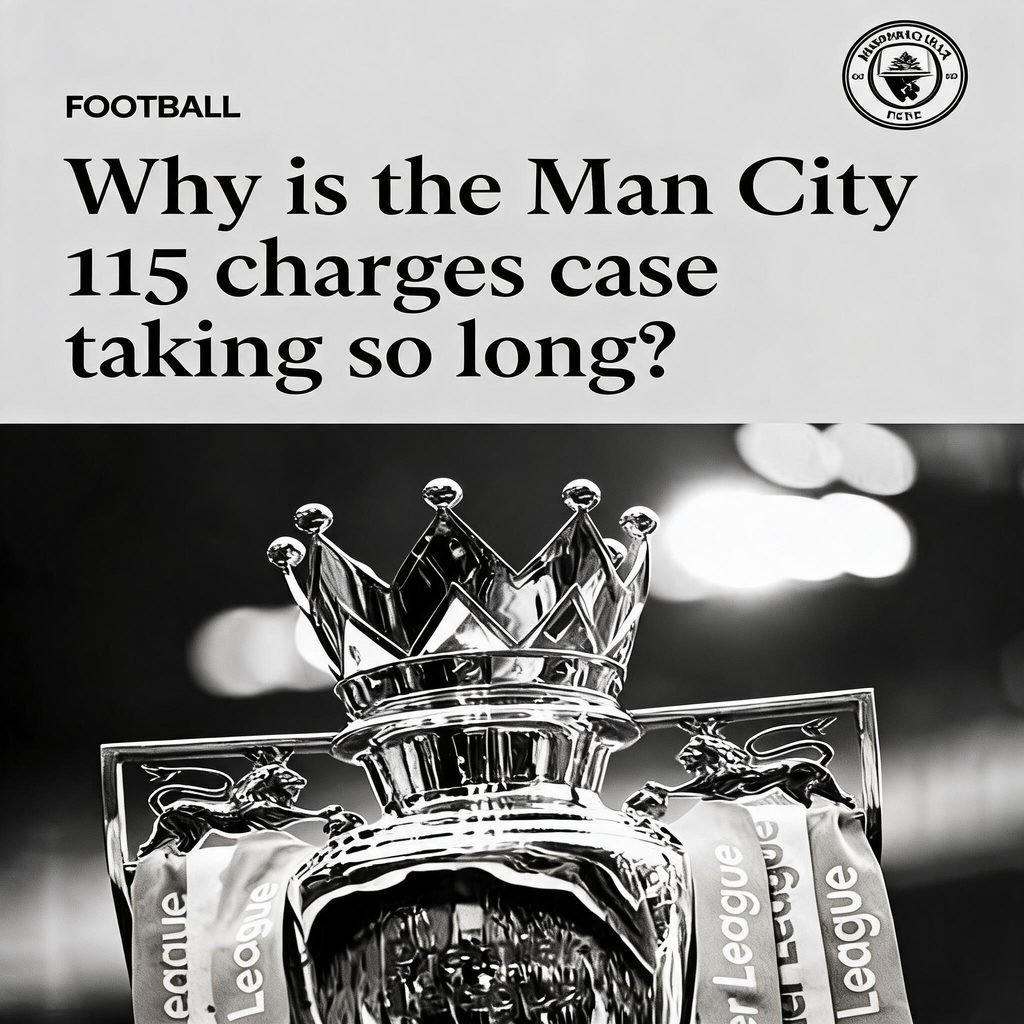
The Premier League’s case against City — 115 charges, referred to an independent commission in February 2023, hearing concluded in December 2024, verdict still not delivered as of this writing — centres on allegations that ownership investment from Sheikh Mansour’s Abu Dhabi United Group was disguised as sponsorship income from state-linked companies including Etihad Airways, Etisalat and Aabar Investments between 2009/10 and 2017/18. The specifics, drawn from the Football Leaks documents published by Der Spiegel in 2018, are stark: of Etihad’s headline £67.5 million sponsorship figure in 2015, only £8 million is alleged to have come from the airline itself, with the remaining £59.5 million said to have been routed through its accounts from ADUG. A separate £30 million in Etisalat payments is alleged to have been channelled via a broker rather than paid directly. UEFA banned City from European competition for two years and fined the club €30 million over related findings in 2020, before the Court of Arbitration for Sport overturned the ban and reduced the fine to €10 million, ruling some of the allegations time-barred and others not proven to the required standard. City deny all wrongdoing, and more than three years after the Premier League’s charges were filed, the independent commission still hasn’t ruled.
Nobody, including this blog, gets to treat unresolved allegations as fact. But the timeline tells its own story regardless of how the commission eventually rules. The Premier League built the APT framework in the direct aftermath of Newcastle’s takeover, worried — reasonably, given what was already being alleged about City — that a second state-backed owner might attempt something similar. Newcastle arrived at the table just as the rules were being written specifically because of clubs like Newcastle, and the club has been playing by them from day one while the case against the club that arguably wrote the playbook remains, after three and a half years, entirely unresolved. Newcastle can’t do quietly what City are accused of having done for a decade in the open. That’s not a complaint. It’s just the mechanics of arriving late to a party the league had already decided to shut down.
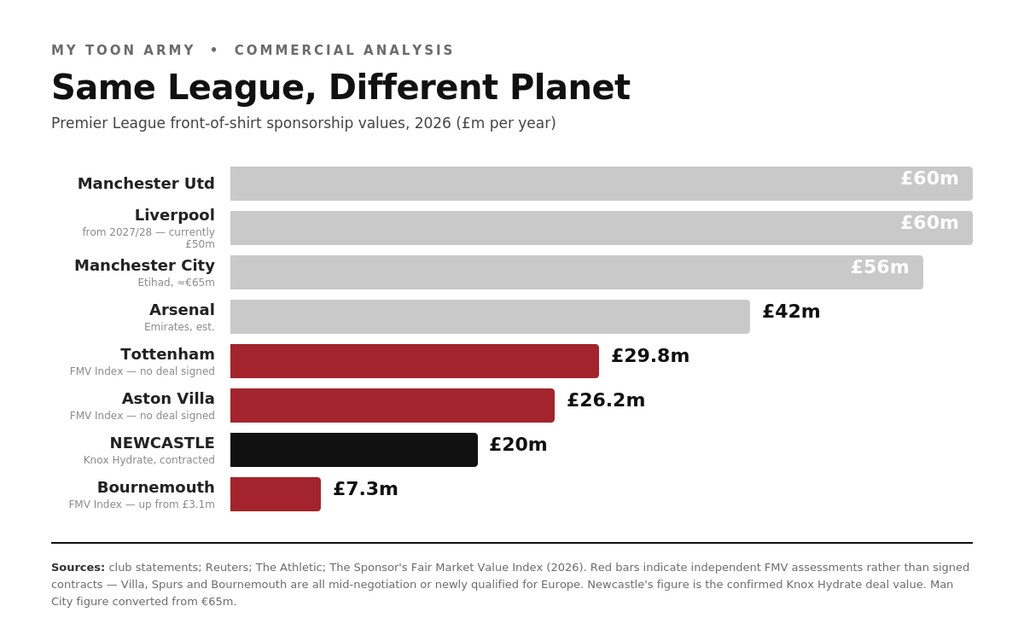
None of which would matter much if the pure market gap weren’t also brutal. Manchester City’s Etihad deal is worth in the region of €65 million a season. Manchester United’s front-of-shirt asset is independently valued at £60 million by The Sponsor’s Fair Market Value Index, with a further £16.7 million from the sleeve. Arsenal’s Emirates partnership sits comfortably above £40 million. Liverpool are about to move from £50 million to £60 million-plus. Against that company, Newcastle’s £20 million looks like what it is: a mid-table number for a club with top-six ambitions and precisely none of the Champions League football that would let it charge top-six prices.
Further down, the picture is uglier still. The Premier League’s front-of-shirt gambling ban lands fully from 2026/27, and West Ham, Wolves, Crystal Palace, Nottingham Forest and newly promoted Sunderland all start the season without a confirmed shirt sponsor, replacement deals reportedly worth roughly half what the departing betting money paid. Bournemouth’s shirt value has more than doubled, from £3.1 million to £7.3 million, purely off the back of European qualification — proof that even a modest run in Europe moves the needle harder than most clubs’ entire commercial departments.
Put the two halves together and the “stacked deck” framing holds up better than it might first sound like empty grievance. Newcastle can’t fully exploit the one advantage that separates it from every club chasing it from below — ownership wealth — because the rules were built, in significant part reactively, to stop exactly that kind of exploitation. And it can’t yet command what the six clubs above it charge, because the market simply hasn’t priced in ambition without European football to back it up. The hand PIF was dealt in October 2021 came with real aces in it. It’s just that several of them were removed from the deck two months later, and the club a few years down the road might reasonably ask why the dealer waited for Newcastle to sit down before changing the rules of the game everyone else had already been playing.
Will Newcastle ever catch the leading pack of Top 6 clubs, in terms of revenue? What else can we do to improve our financial standings? Join the conversation on X @mytoonarmy #NUFC