This is the final part of My Toon Army’s four-part series on Manchester City’s Premier League charges. Parts One to Three covered the verdict, the seasons and clubs it touched, and why no punishment on the table fits. This part turns to Newcastle United, and to the question City’s case poses for every ambitious club: was there another way?
Two owners, thirteen years apart, made almost exactly the same promise.
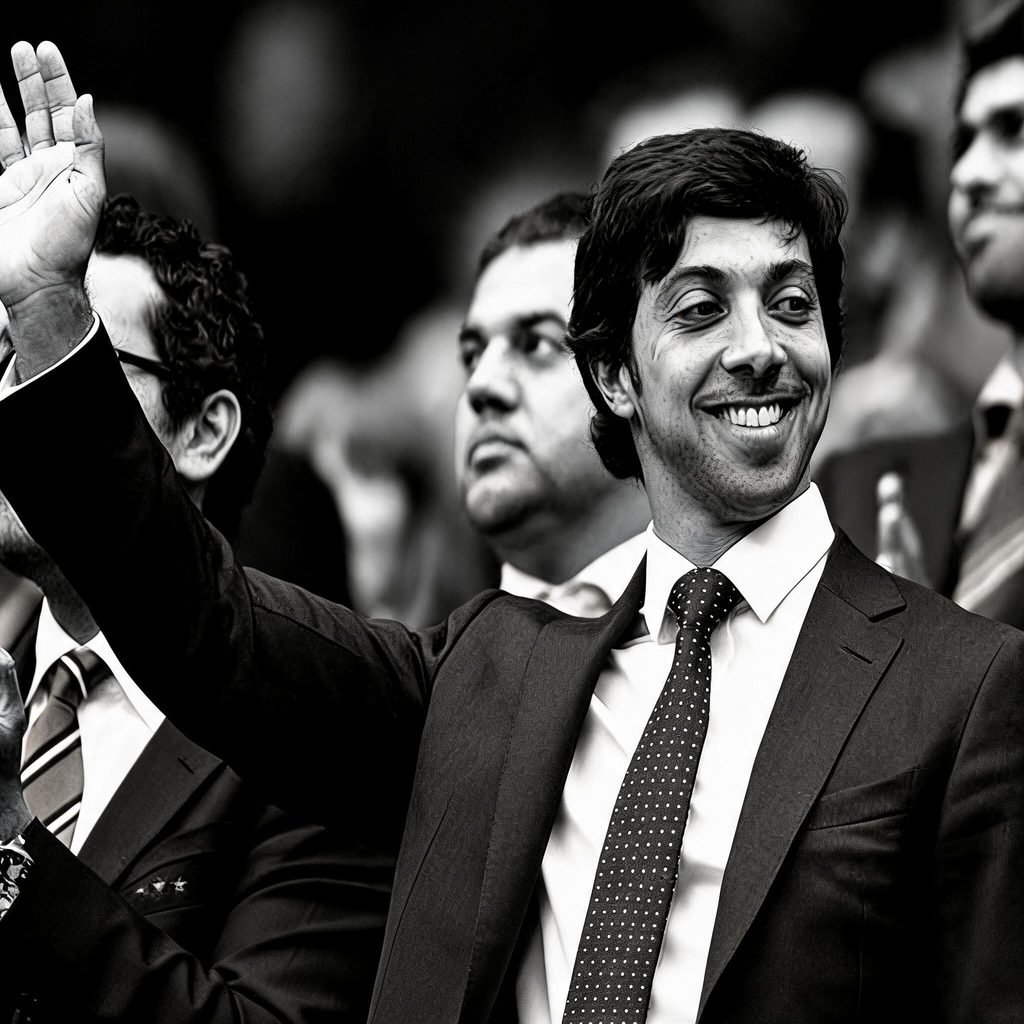
The first came in an open letter to City supporters as Sheikh Mansour’s takeover was completed in September 2008. The new owner said he was ambitious for the club, “but not unreasonably so”, and that building a team able to hold a top-four place and win in Europe would take time.
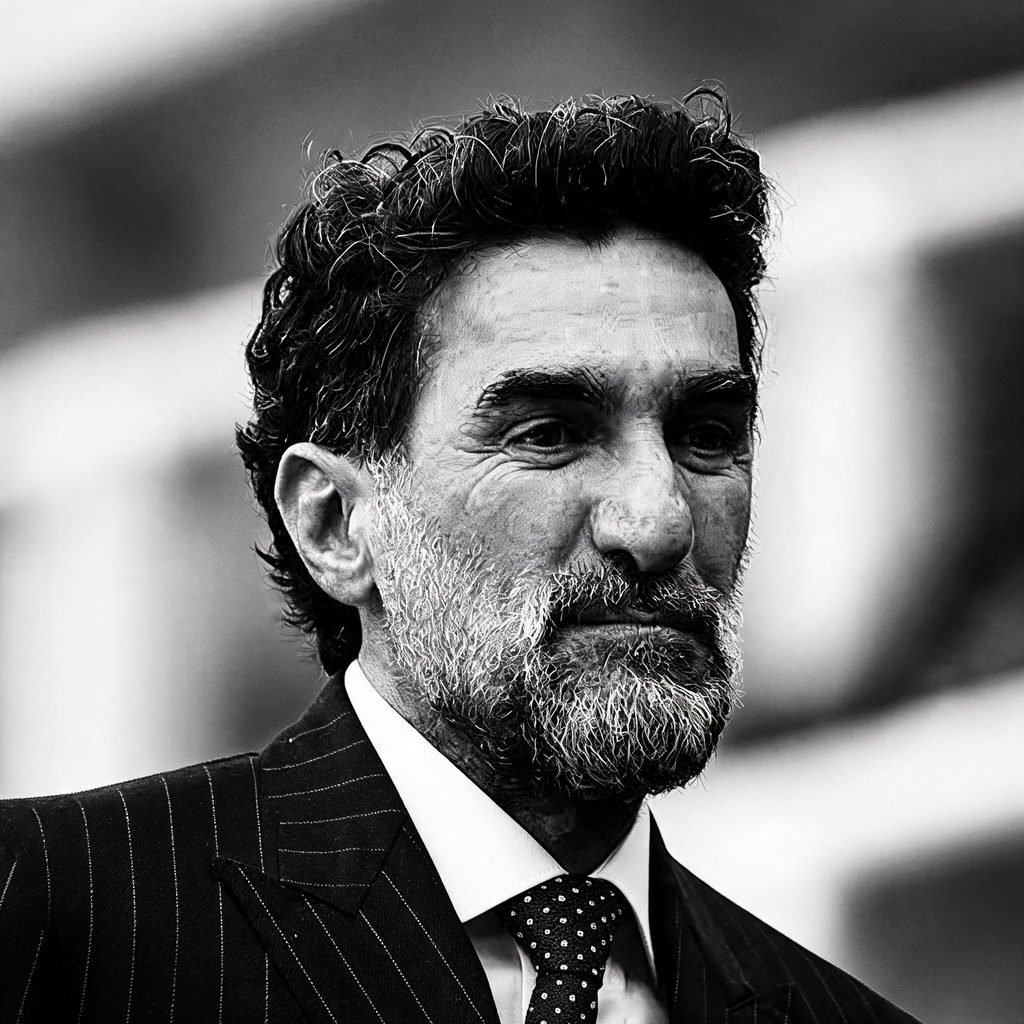
The second is what Yasir Al-Rumayyan, governor of Saudi Arabia’s Public Investment Fund (PIF) and Newcastle’s chairman, has said in various forms since the October 2021 takeover, most recently at the FII Priority Summit in Rome: PIF is “a long-term patient investor.”
Patient. Reasonable. Long-term. Both owners said it in public. Only one has kept to it.
Behind Mansour’s letter, City were running a much faster clock. The National noted at the time that the letter played down earlier talk of major trophies within three years. When the title arrived in 2012, the Mail & Guardian reported that Abu Dhabi’s targets had included winning the Premier League in year four. City hit it in the 94th minute of the final game of that fourth season, through Sergio Agüero’s goal against Queens Park Rangers.
Newcastle’s story runs the other way. Nearly five years into PIF’s ownership, the trophy cabinet holds one League Cup, won in March 2025 and the club’s first major trophy in 56 years, alongside a return to the Champions League. That is not a revolution. It is what a patient timetable looks like, and nobody has accused the club of hiding anything to get there.
City’s defence: there was no other way in
In August 2021, days after City broke the British transfer record to sign Jack Grealish, Pep Guardiola made City’s case in its plainest form. Manchester United and Arsenal, he argued, had won titles years earlier because they outspent everyone else, and City could only compete once they had owners who, in his words, “want to be in this world, they want to buy into football. What is the problem?”
Call it the Red Cartel argument. The old red clubs, United, Liverpool and Arsenal, had decades of history and revenue stacked in their favour, and the only way to break in quickly was to outspend them. In the same breath, Guardiola added a line that has aged badly: “If we are wrong then OK, convict us.” Five years on, a commission has.
Why the excuse doesn’t hold
The trouble with the argument is the timeline. In City’s early years, outspending the old order broke no rule, because there were no spending rules to break. UEFA approved Financial Fair Play in 2009 and only began monitoring clubs in 2011-12. The Premier League’s Profit and Sustainability Rules (PSR), which cap how much a club can lose, arrived in 2013.
City, meanwhile, moved fast. The takeover was agreed on 1 September 2008, the same day Robinho signed for £32.5 million. The spending that built the team, Robinho, then Tévez, Adebayor and Barry, then Silva, Yaya Touré and Balotelli, then Agüero, ran from 2008 to 2011. The first title came in May 2012. City broke into the elite almost entirely before any spending limit existed.
So City didn’t need to cheat to get in. On the commission’s findings, they did anyway. The charge sheet starts in 2009-10, with rules on accurate accounts and on disclosing players’ and managers’ pay that already applied, and carries on through the Financial Fair Play and PSR breaches once the spending limits arrived. UEFA sanctioned City under Financial Fair Play in 2014. On the commission’s findings, the breaches ran on for another four seasons.
Newcastle never had that head start. PSR was eight years old when PIF arrived, and within three years the League had docked Everton and Nottingham Forest points under it. New rules on deals with companies linked to a club’s owners, widely seen as a response to Newcastle’s takeover, followed within about two months. There was no unregulated window for Newcastle to exploit, even had it wanted one.
What patience costs
In the last days of June 2024, Newcastle sold academy graduate Elliot Anderson to Nottingham Forest and winger Yankuba Minteh to Brighton, for around £65 million combined, to stay inside PSR before the 30 June accounting deadline. Anderson was a boyhood Newcastle supporter Eddie Howe rated highly. Minteh had been signed for about £7 million a year earlier and had just had a breakout season on loan at Feyenoord. Reporting at the time described the club as reluctant to sell either. It sold anyway. As Part Three noted, those sales left Newcastle narrowly clear of a possible sanction.
That is the difference in a single transfer window. Under financial pressure, City, on the commission’s findings, made their accounts say something untrue. Newcastle sold two players it wanted to keep.
Nor does the patient route require a state-backed owner. According to one analysis, Liverpool’s net transfer spend from 2014 to 2024 under Fenway Sports Group was £304 million, seventeenth-highest in world football. That is spending minus sales, and the sales were the point. Philippe Coutinho arrived from Inter for £8.5 million and left for Barcelona for a reported £142 million, in the same window Liverpool paid £75 million for Virgil van Dijk. Buy well, sell at a premium, reinvest. In that decade Liverpool won the Premier League, the Champions League and six other trophies. Brighton run the same model on a smaller scale: Moisés Caicedo cost them a small fraction of the £115 million Chelsea later paid for him, and the money went back into a recruitment operation that keeps finding the next one. Patience isn’t a consolation prize for clubs that can’t afford to cheat. It’s a proven route to the top.
Cheaters never prosper, even when they get there first
City got there first. In the nine seasons under scrutiny they won eight trophies: three Premier League titles, an FA Cup, three League Cups and a Community Shield. On the commission’s findings, the accounts behind those years did not tell the truth, and reports say the panel found City acted in bad faith. Newcastle waited until their fourth season under PIF for one League Cup, and nothing guarantees more silverware soon.
But winning something and being able to stand behind it are different things. While the verdict stands, City’s trophies from those years carry an asterisk. Newcastle’s League Cup carries none. It took 56 years and a summer of selling players the club wanted to keep, and every part of it is theirs. Doing it right takes longer. It’s also the one version of success that never has to fear the day someone checks the books.
This concludes the four-part My Toon Army series on Manchester City’s 115 charges. Thank you for reading.
Leave a Reply