
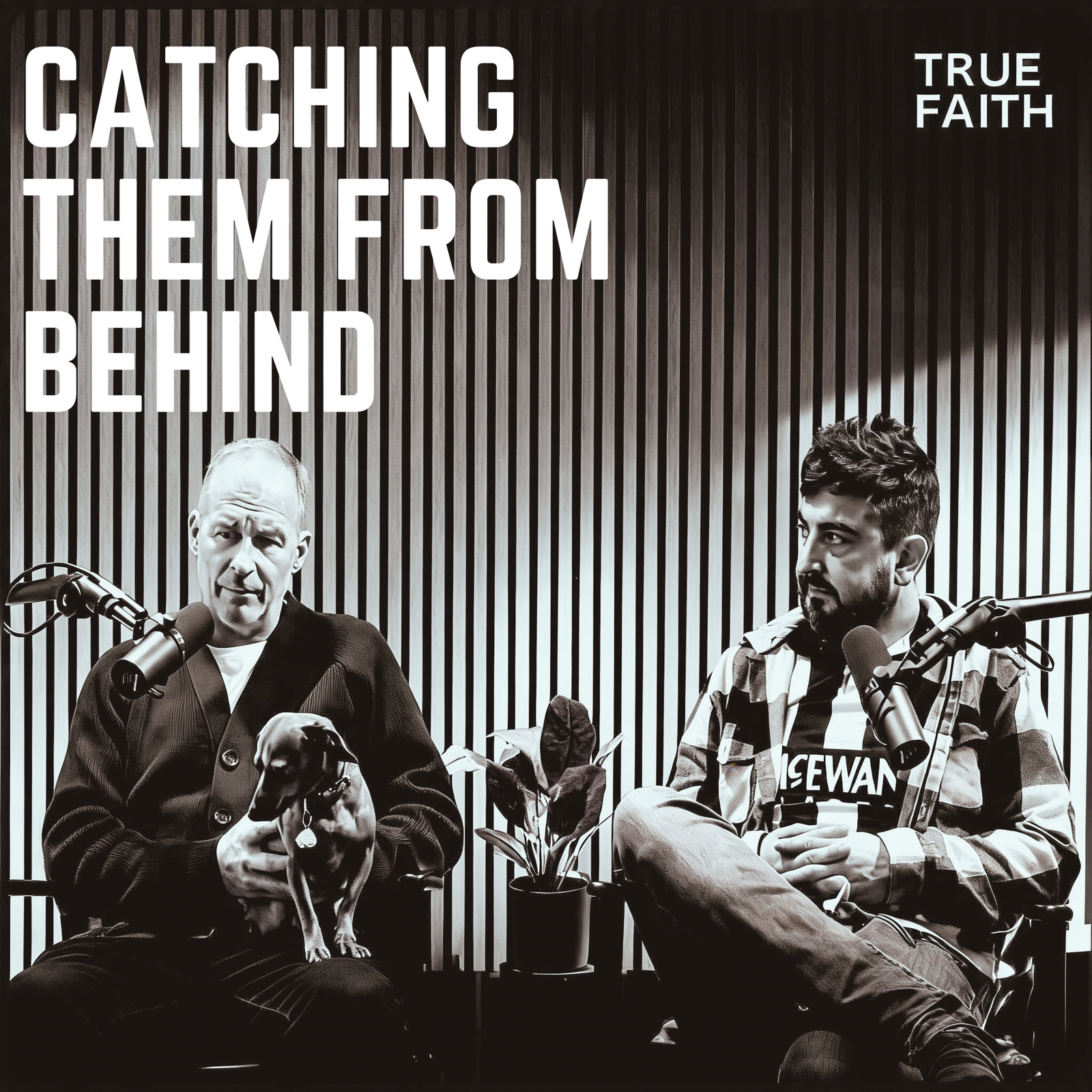
Fifty per cent. That’s how much David Hopkinson wants Newcastle United’s revenues to grow between now and 2030. He reckons the Premier League’s old aristocracy — the clubs Newcastle is chasing — will manage four, compounded, over the same stretch. It’s a wide gap to close, and under the division’s new financial rules, revenue isn’t just a boardroom concern any more. It’s the whole game. Newcastle’s plan, in Hopkinson’s own words, is to “catch them from behind.”
Why revenue is the whole game now
The Premier League swapped its old Profit and Sustainability Rules for a new system this season: Squad Cost Ratio, which caps what a club can spend on wages, transfers and agents’ fees at a fixed share of the revenue it generates — 85 per cent domestically, a tighter 70 per cent for anyone in Europe. It passed by the narrowest possible margin last November, fourteen votes to six, the exact minimum required. Newcastle was one of the fourteen.
Hopkinson, a year removed from Madison Square Garden Sports — the Knicks, the Rangers, leagues built on hard salary caps where every club fishes from “about the same size bag of money” — finds the contrast instructive. Under SCR, the correlation between wage bill and league position is, in his words, “incredibly tight,” almost one to one. And the size of the envelope a club can spend is “directly correlated to the revenues you generate.” The consequence is structural: clubs already earning more get bigger envelopes to earn even more from, while anyone starting behind inherits a gap that widens on its own. “It’s frustrating when it rains,” he said of a system his own club voted through — an admission that the rules he backed are also the rules now working against him.
It also explains why Public Investment Fund ownership doesn’t simply solve the problem. PIF capital can still build things outright — a new £190 million training complex is going up at Woolsington, near Newcastle Airport, funded as equity rather than revenue. What it cannot do, under SCR, is buy squad-cost headroom the way a benefactor once might have. What Newcastle is allowed to spend on players is a function of what Newcastle itself earns. Nothing else counts.
The self-help ledger
Hopkinson calls the response “self-help,” and some of it is already on the books. The training ground’s naming-rights partner, Knox Hydration, and the club’s newer training-kit sponsor, SumUp, between them now generate around £11 million a year in commercial income that didn’t exist twelve months ago — a figure Hopkinson cited himself and one independently reported elsewhere. Knox’s separate front-of-shirt agreement, worth roughly £60 million through to the end of the 2028-29 season, has replaced the outgoing Sela deal entirely. The next lever he’s pulling is retail: a “monobrand” operation in which Newcastle becomes both manufacturer and vendor of its own product, rather than licensing that margin away to a kit supplier.
The Europe feedback loop
The mechanism cuts both ways, and Newcastle already knows the downside. Finishing twelfth last season shrank this year’s SCR envelope directly — missing Champions League football costs revenue, and revenue is now the only currency that buys squad spending. The bill arrived quickly: Victor Muñoz chose Liverpool’s Champions League football over a Newcastle side with no European football at all this season, and Johan Manzambi picked Aston Villa’s £59.5 million bid over Newcastle’s own £49 million offer, for the same reason. Missing Europe doesn’t just cost prestige. Under SCR, it costs the money that buys the players who might get you back into it.
Growing outward, not upward
Crucially, Hopkinson doesn’t see existing supporters as where that fifty per cent has to come from. Asked directly about ticket prices, he was unambiguous that he isn’t looking there, citing near-daily contact with the Fan Advisory Board and the Newcastle United Supporters Trust as evidence the club knows exactly how sensitive that ground is. Instead, the growth target points outward: global retail, VIP hospitality, and revenue from supporters who live outside this market entirely. Eventually, stadium capacity becomes the biggest lever of all — more seats simply mean more revenue — though whether that means renovating St James’ Park or building new remains, in his telling, genuinely undecided. What he’s ruled out is any shortcut: an AI-generated stadium render, he said, “is not really a transactable option.”
None of this arrives quickly. Hopkinson is explicit that 2030 is the checkpoint, not this season, and that the plan requires Newcastle to out-earn its way up a table it can no longer simply outspend its way up. But for a club whose finances have usually been discussed in terms of what the owners might inject, hearing the chief executive talk instead about training-kit sponsors and retail margins, in the same breath as fourteen-to-six regulatory votes, is itself the clearest sign of where Newcastle’s actual advantage is now expected to come from.
Does it sound like the club’s plan to increase revenues and catch the bigger teams work? What will it take for us to achieve success? Join the conversation on X @mytoonarmy #NUFC