

Nine years old, wedged between his father and his twin brother under the St James’ Park floodlights, Jacob Murphy watched Alan Shearer and Gary Speed put Newcastle two goals up on PSV Eindhoven in a UEFA Cup night in April 2004. He didn’t grow up round the corner. He was born in Wembley, in the shadow of a stadium he wouldn’t play at for Newcastle for another twenty-one years. But his mother is from Birtley, his father from Ashington, and the rest of the family scattered across Gateshead — a Geordie bloodline exported to London that never once considered following anyone else. Shearer, to the boy in the crowd that night, was simply “a God.” Laurent Robert, a left winger with a wand of a left foot, was one he “loved to watch.”
That’s the inheritance Jacob Murphy carries onto the pitch every time he pulls on the number 23 shirt, and it’s worth remembering on the mornings after a bad one — because there have been a few of those lately, and the discourse has been short on patience and shorter on memory.

The long way home
Murphy and his twin, Josh, joined Norwich City’s academy at eleven. What followed wasn’t a fast track. Six different loan spells scattered him across the lower leagues — Swindon, Southend, Blackpool, Scunthorpe, Colchester, Coventry — the unglamorous apprenticeship of a young pro finding his level the hard way, a long way from Carrow Road and further still from Tyneside. By the time Norwich made him a first-team regular in 2016/17, ten goals and a Championship promotion push had put him on Newcastle’s radar. Rafa Benítez wanted him. Murphy, by his own admission, wanted it so badly he told his club he was ready to walk if the move didn’t happen.
It did, for £12.5 million in July 2017, and what he said that day still reads as unmistakably sincere rather than the standard-issue platitude of a unveiling presser: “wearing the Newcastle badge on my chest — I couldn’t think of anything better.” Photographs of him as a boy in a Newcastle shirt went round the club’s social channels within hours. This was never going to be just another transfer for him.
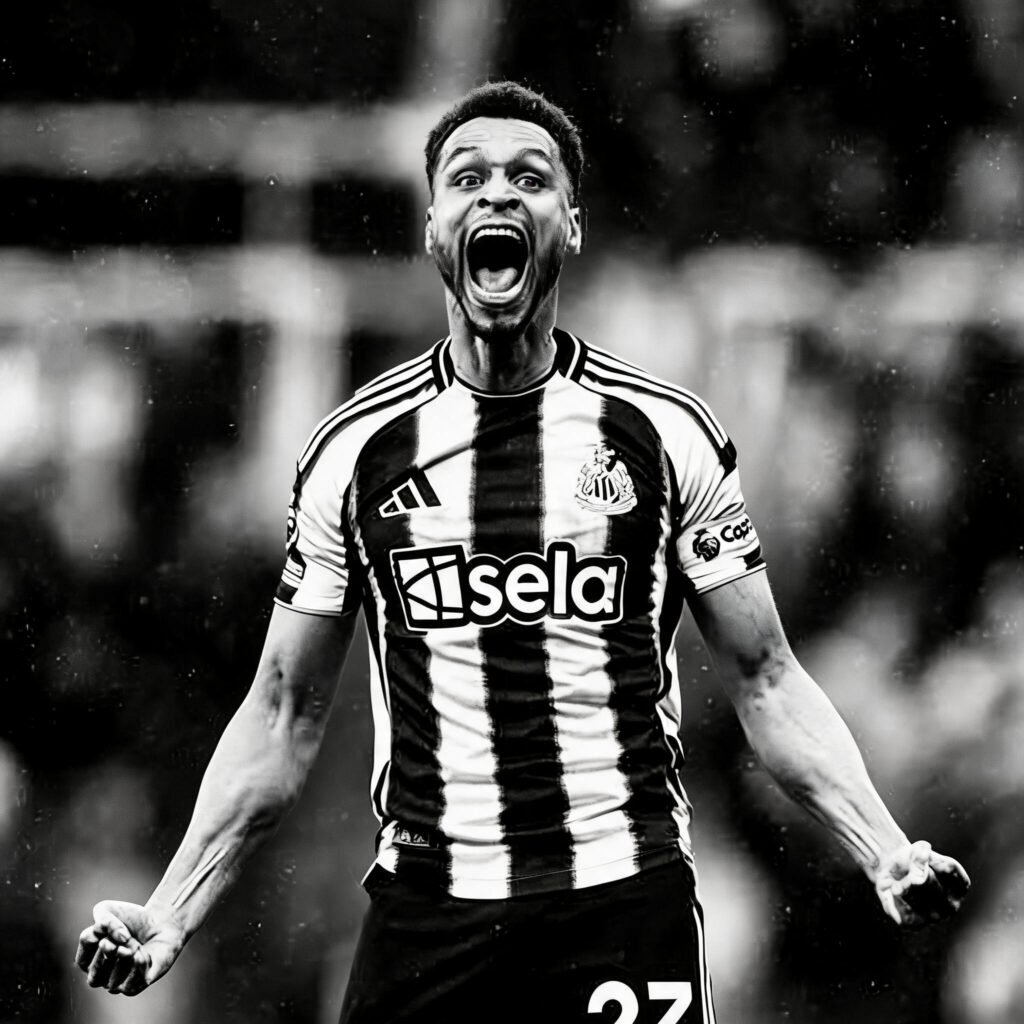
It also wasn’t a smooth ride from there. Two further loans followed — West Brom, then Sheffield Wednesday — as Newcastle worked out what they had. Josh Murphy, reflecting on his brother’s career years later, didn’t dress it up: three years ago, he said, Jacob was “not really a fan favourite,” a fringe figure some had quietly written off. What changed wasn’t luck. It was, in Josh’s words, hard work, resilience, and refusing to stop turning up. By 2024/25, the winger written off a few seasons earlier was one of the first names on Eddie Howe’s team sheet, and comfortably the best form of his career: eight Premier League goals, twelve assists, a campaign as good as almost anyone’s outside the very top bracket of the division.
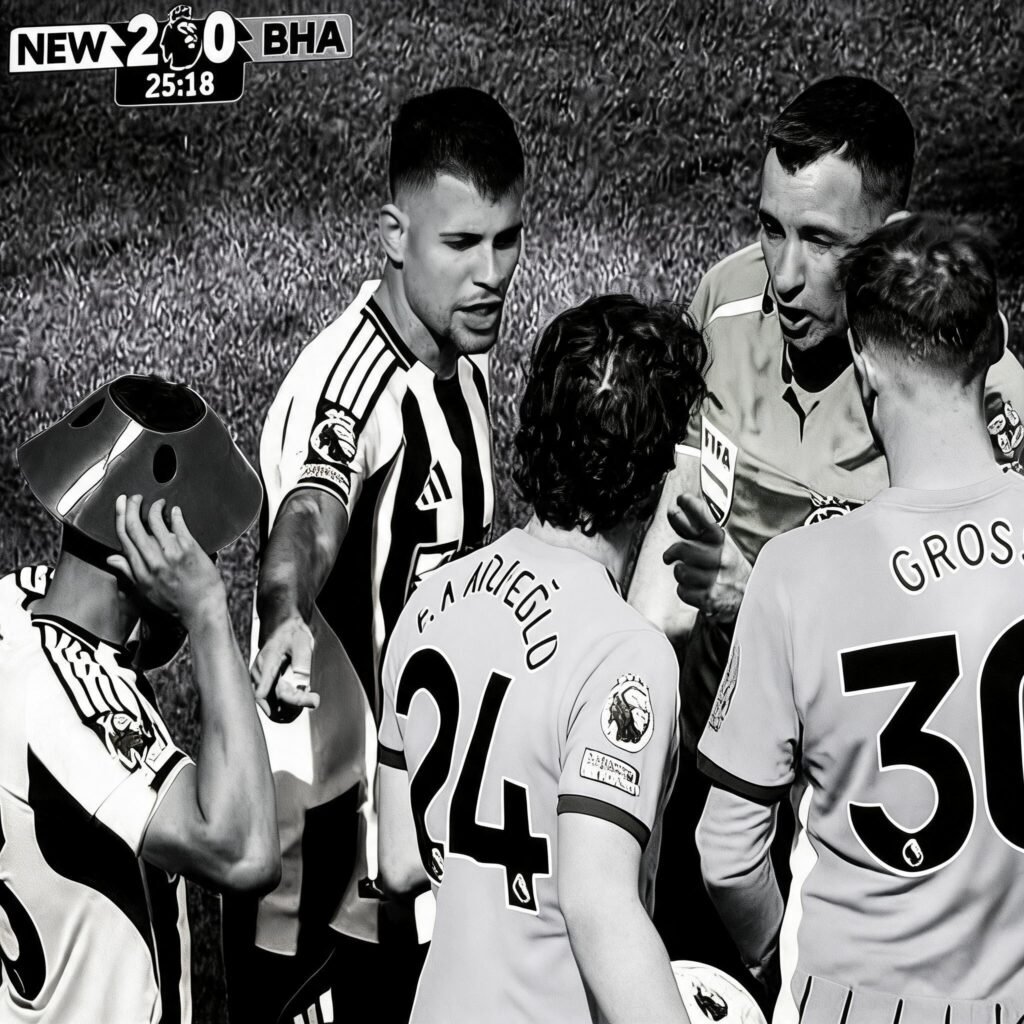
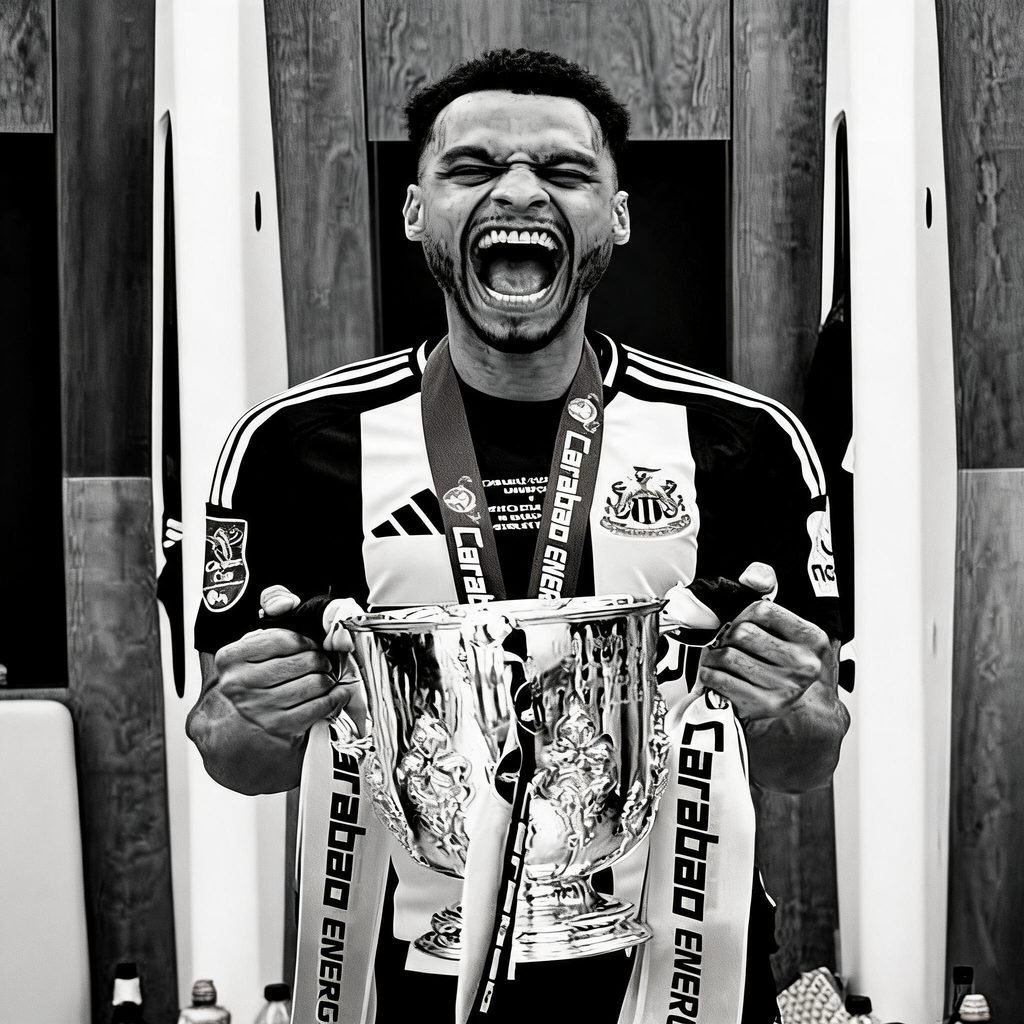
It built to Wembley. On 16 March 2025, seventy years of hurt since Newcastle’s last domestic trophy, Murphy flicked on the knockdown that Alexander Isak finished for Newcastle’s second in a 2-1 win over Liverpool that finally ended it — Dan Burn’s opener, met from a Kieran Trippier corner, had come just before the break. The boy who’d watched Shearer under those floodlights had just played his part in the goal that sealed the club’s first domestic silverware in seventy years. Whatever else gets written about him this season, that afternoon happened, and it happened because of him.
Why the money was turned down
This summer, Nottingham Forest came calling — first £10 million, then £15 million, both bids on a 31-year-old entering the final year of his contract. On paper, for a club navigating the Premier League’s financial rules as carefully as Newcastle are, that’s the kind of offer a lot of boards wave through without a second thought. Newcastle’s board said no. Twice.
Matthias Jaissle, explaining the decision, didn’t hedge: this was a “well-balanced squad,” one with players who still had “potential to do even better.” That’s not the language of a manager stuck with a player he can’t shift. It’s the language of a manager who looked at a rebuild stripped of Anthony Gordon, Bruno Guimarães and Sandro Tonali in a single summer, looked at a dressing room suddenly filled with faces in their early twenties, and decided the last thing that squad needed was to lose one of the few voices who actually remembers what winning at this club feels like. Murphy is the longest-serving player at Newcastle United. Nobody else in that dressing room has worn the shirt longer, carried the armband on the days he’s been asked to, or has a Wembley winner’s medal to show a nineteen-year-old teammate what the standard actually looks like. That’s not sentiment. That’s squad-building. Jaissle valued it enough to twice tell Forest that Murphy wasn’t walking out the door for their money, and the winger’s own response to the upheaval of this summer was not the sound of a man biding his time until the exit — he called the new manager’s methods “awesome” and talked about a philosophy of intensity that was “already ingrained in the Newcastle DNA.” That isn’t the language of somebody counting down the days.
One bad night at Elland Road doesn’t rewrite nine years
Then came Leeds. A heavy defeat, a poor collective performance, and Murphy — thrown in from the start in the Premier League for the first time this season — had an evening he’ll want to forget. Nobody’s pretending otherwise, least of all him; he was among the players who apologised to supporters afterwards. But turn that single, difficult hour on a night when the entire team was taken apart into some kind of verdict on where Jacob Murphy is as a footballer, and you’ve lost the plot entirely.
This is a player who has already answered the question of what he does when written off. He did it once, coming back from the margins to become one of the first names on the team sheet under Howe. The idea that one poor cameo in a stinker of a collective performance, on a night the whole side capitulated, somehow undoes that — or undoes nine years of service, a boyhood dream fulfilled, and a role in ending a seventy-year wait — doesn’t hold up to a moment’s scrutiny. Newcastle’s supporters have watched this player long enough to know the difference between a genuine decline and a bad night in a bad team performance. Leeds was the latter. Treating it as the former says more about the appetite for a quick verdict than it does about Jacob Murphy.
What he is now
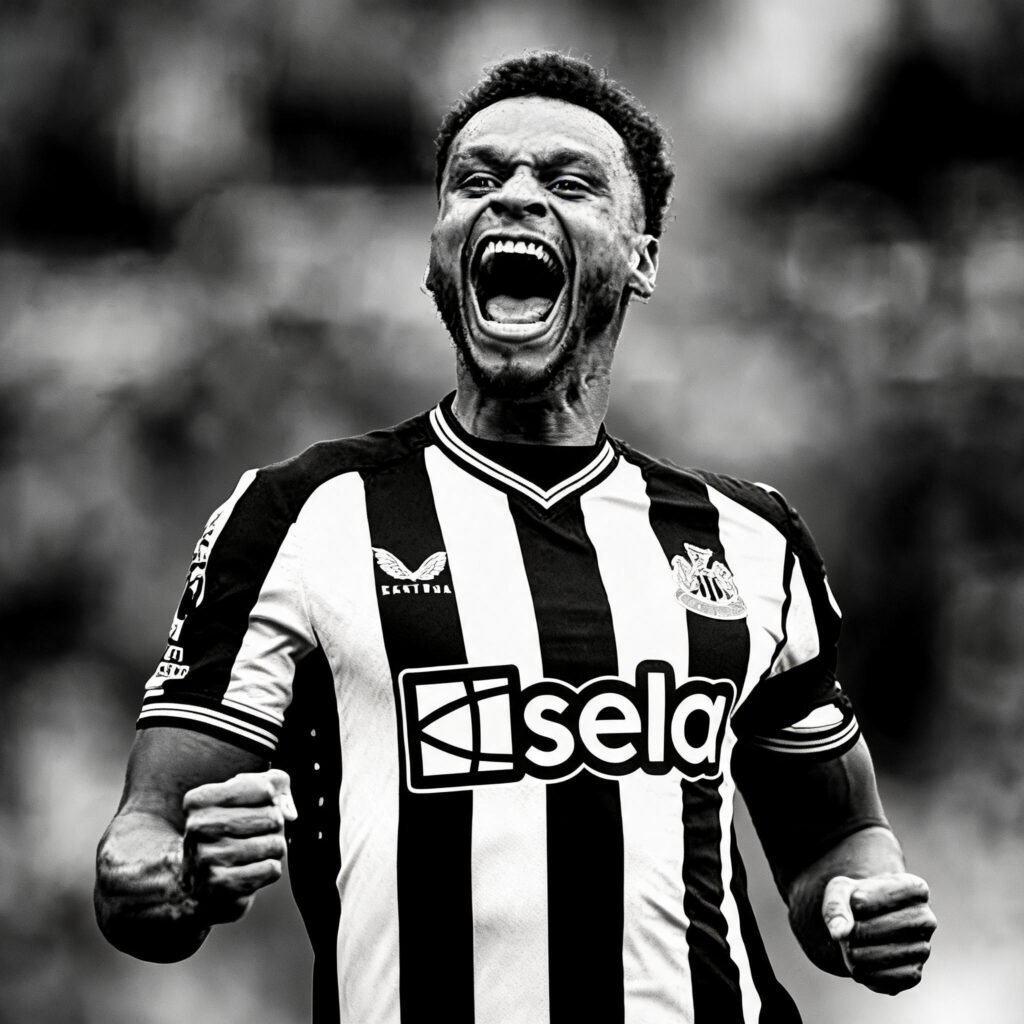
He isn’t first-choice any more, and there’s no point pretending he is — Anthony Elanga has cemented himself as first choice on the right, and that’s simply squad management in a rebuilt attacking line, not some judgement on Murphy’s ability. But rationed minutes and a fringe role are not the same thing as being surplus to requirements. When he’s been given the platform this season — in the cups, in pre-season — he’s delivered performances that suggest the level hasn’t gone anywhere, even if the opportunities have narrowed. He remains one of the most experienced players in a Newcastle dressing room that has been rebuilt around players closer to twenty than thirty, precisely the kind of head a young squad needs in the room when things go wrong, as they did at Elland Road.
Go back to that nine-year-old under the floodlights, watching Shearer and Speed with his dad and his brother, already dreaming of a badge he wouldn’t wear for another thirteen years. He got there. He stayed there through loan spells and lean years and a rebuild that could easily have moved him on for a tidy £15 million this summer. He played his part in the Wembley goal that ended seventy years of waiting. That’s not a résumé you discard over one bad hour at Elland Road. It’s one that’s earned this club’s patience, and its faith — the same faith he showed in it, long before anyone here had heard his name.
Love him, or hate him? What is your fondest memory of Jacob Murphy? Join the conversation on X @mytoonarmy #NUFC