Data Driven Insights. Fearless Opinions.

SCR

  • The Hundred Days That Reset Newcastle United

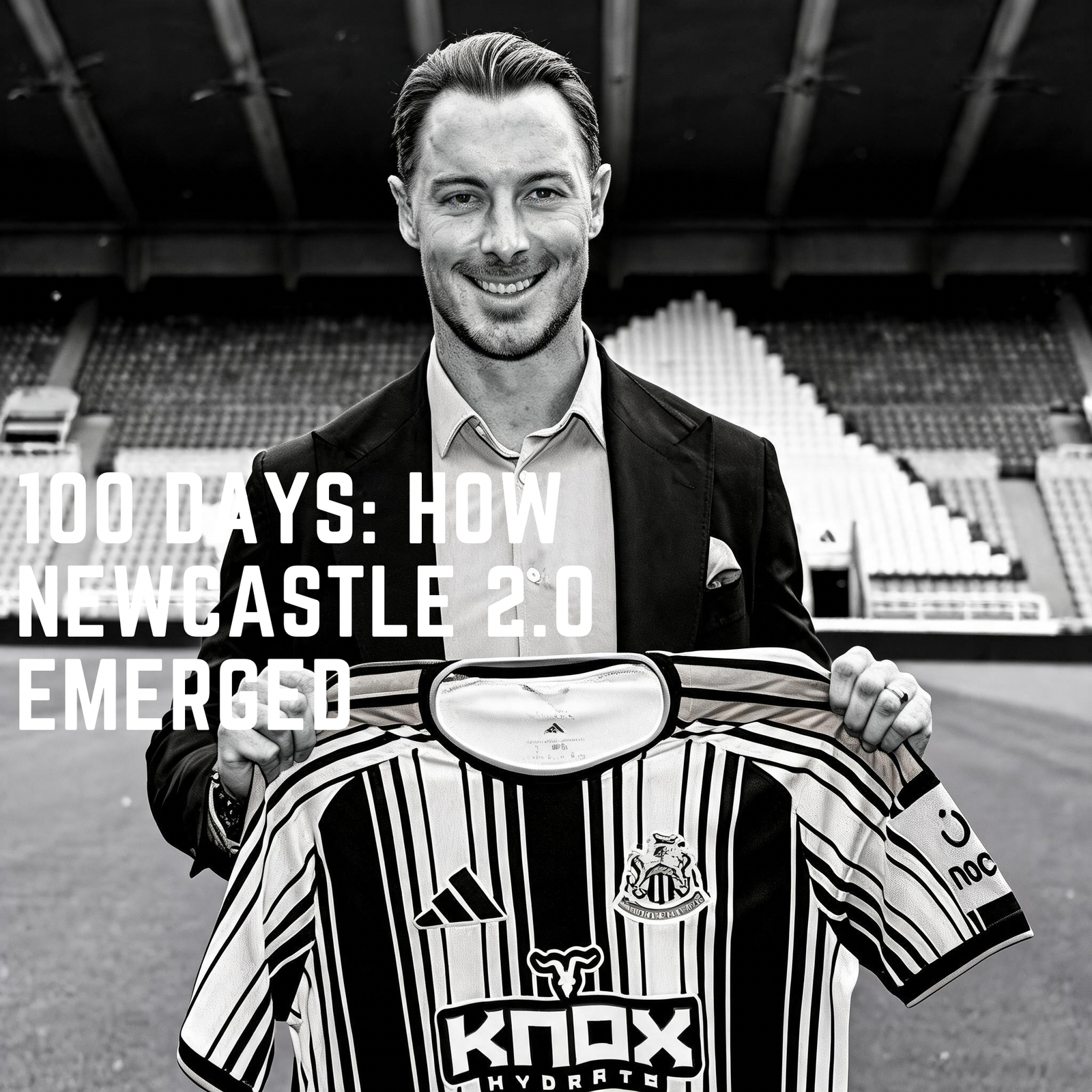
    100 Days of Change at Newcastle

    Seven goals. Barcelona put seven past Newcastle United at Camp Nou on the eighteenth of March, a 7-2 rout that turned a tie level at 1-1 after the first leg into an 8-3 aggregate defeat — a scoreline that read less like a football result than a coroner’s finding. The Champions League run was over at the last sixteen. What followed was a slow bleed of a spring: a 12th-place finish, five points adrift of Europe, and the particular Tyneside indignity of watching Sunderland close the season seventh. The expected-goals table said Newcastle should have finished tenth. They didn’t even manage the mediocrity they’d earned.

    And yet. Look at the attendance column for that miserable campaign and something strange appears. Average home league gate: 52,161. Highest: 52,514, against Everton in February. Lowest: 51,109, for an FA Cup tie against Manchester City that Newcastle lost 1-3. In a season with almost nothing to recommend it, in a stadium holding a shade over 52,000, they filled it. Every week. The football was rotten and the queue on Barrack Road never shortened.

    That is where this story actually starts. Not with a signing or a sacking, but with a fanbase that kept turning up through the worst of it — and with a club that spent the winter looking dead while, underneath, everything was being rearranged.

    The unmaking

    June and July took the spine out. Sandro Tonali to Tottenham for £92.5m, becoming that club’s record signing on arrival. Bruno Guimarães — the heartbeat, the top league scorer, the man who kissed the badge — to Arsenal for £75m. Anthony Gordon, England’s man at the World Cup and the closest thing this squad had to one of their own, to Barcelona for £68m. Kieran Trippier gone on a free to Wolves. Matt Targett and Emil Krafth released.

    Some £236m out of the door in nine weeks, and three of the best players in black and white walking through it. For supporters who’d been asked for four years to trust a process, it felt for a fortnight like the removal men had been given a key.

    Then, on the last day of July, Eddie Howe resigned. Four years and eight months — nearly the whole PIF era in one man. He had taken this club off the floor in November 2021 and put a trophy in its hands at Wembley for the first time in seventy years. Whatever you thought of his final season, his leaving felt like the end of something that wasn’t supposed to end yet.

    By the first week of August, Newcastle United had no manager, no Bruno, no Tonali, no Gordon, and a Premier League opener against Liverpool three weeks out.

    The chrysalis

    Here is where the club moved faster and more decisively than at any point in its modern history.

    Matthias Jaissle — thirty-eight, an Austrian double at Red Bull Salzburg, back-to-back AFC Champions League titles at Al-Ahli, the first coach ever to manage that feat — signed a four-year deal. Al-Ahli didn’t want to lose him; Newcastle paid £9.5m to make the objection academic. Paperwork delays meant he joined the squad mid-camp in La Manga rather than at St James’ Park, coaching players he’d barely met, a fortnight before the season.

    When he finally walked out onto the pitch on Barrack Road, he turned to his assistants and found them doing the same thing he was: smiles and goosebumps, in his words. Within days he was on Instagram — the first Newcastle head coach since Rafa Benítez to bother with it — thanking supporters for the welcome and saying he could feel the right energy in the place. A small thing. But this is a city with a long memory for managers who talked down to it, and Jaissle, in careful, excellent English, did the opposite.

    He also refused to lie. Asked what he’d achieve this season, he wouldn’t promise anything, described the squad as being in a transition phase, and said plainly that none of it would happen overnight. His message to supporters was four words: “keep the optimism.” Coming from a man who’d just inherited a demolition site, it landed as honesty rather than spin — and on Tyneside, honesty buys more goodwill than a press-conference guarantee ever has.

    The rebuild, in numbers

    Roughly £215m of that £236m went back out into the market on seven signings — and then, on deadline day itself, a further £51.4m on an eighth, taking total spend past what the summer’s sales brought in. The shape of the business tells you everything about the plan.

    Nico González arrived from Manchester City for £48m — the experienced midfield anchor supporters had been begging for, and the statement that steadied the whole window. Bazoumana Touré came from Hoffenheim for £43m. Amar Dedić, a full-back who’d played under Jaissle at Salzburg and can operate on either flank, from Benfica for £30m. Then Aladji Bamba from Monaco (£30m), Lukáš Horníček from Braga (£26m), Sean Steur from Ajax (£20m) and goalkeeper Ewen Jaouen from Reims (£18m). And finally, completed today: Matias Fernandez-Pardo, the 21-year-old Belgium international, arriving from Lille for £51.4m on a five-year deal — a front-line forward who started 27 league games for a Lille side that finished third in Ligue 1 last season, and a player Newcastle had tracked for well over a year before finally landing him.

    Eight signings, an average age of twenty-one among them, layered onto a spine — Burn, Schär, Murphy, Botman, Thiaw — that isn’t going anywhere. This is sporting director Ross Wilson’s thesis made flesh: he has said openly that the club expects to find more value outside the Premier League than inside it, and he has now spent a summer proving he meant it. Sell at peak, buy before the peak, and back the difference with fresh conviction when the right player appears. Newcastle finished this window having spent more than they sold, on a squad five years younger in its most important positions.

    Bricks, mortar and a balance sheet

    The part that will outlast any transfer window is happening away from the pitch.

    Newcastle posted record revenue of £335.3m last year, with commercial income up 44% to £120.1m — the first time this club’s off-field engine has looked remotely like its ambitions. That money is already visible. Around £30m has gone into St James’ Park, the academy, Cochrane Park and the training centre, which has been rebuilt to roughly double its previous footprint and rebranded as The KNOX for this season. Supporters will notice smaller things too: screens on the concourses, more clocks around the stands. Trivial, until you remember that Amanda Staveley once described the training ground she inherited from Mike Ashley as, simply, a joke.

    And the biggest question of all is finally moving. PIF is reportedly prepared to dilute its 85% holding to around 63.75% to bring in outside equity — capital pointed at either a redeveloped St James’ Park or a new ground at Leazes Park, a project that runs past £1bn. Nothing is signed. But after four years of the stadium question being kicked down the road, the machinery is turning.

    Nine days in August

    None of which would matter without a football team, and the football team has been quietly magnificent.
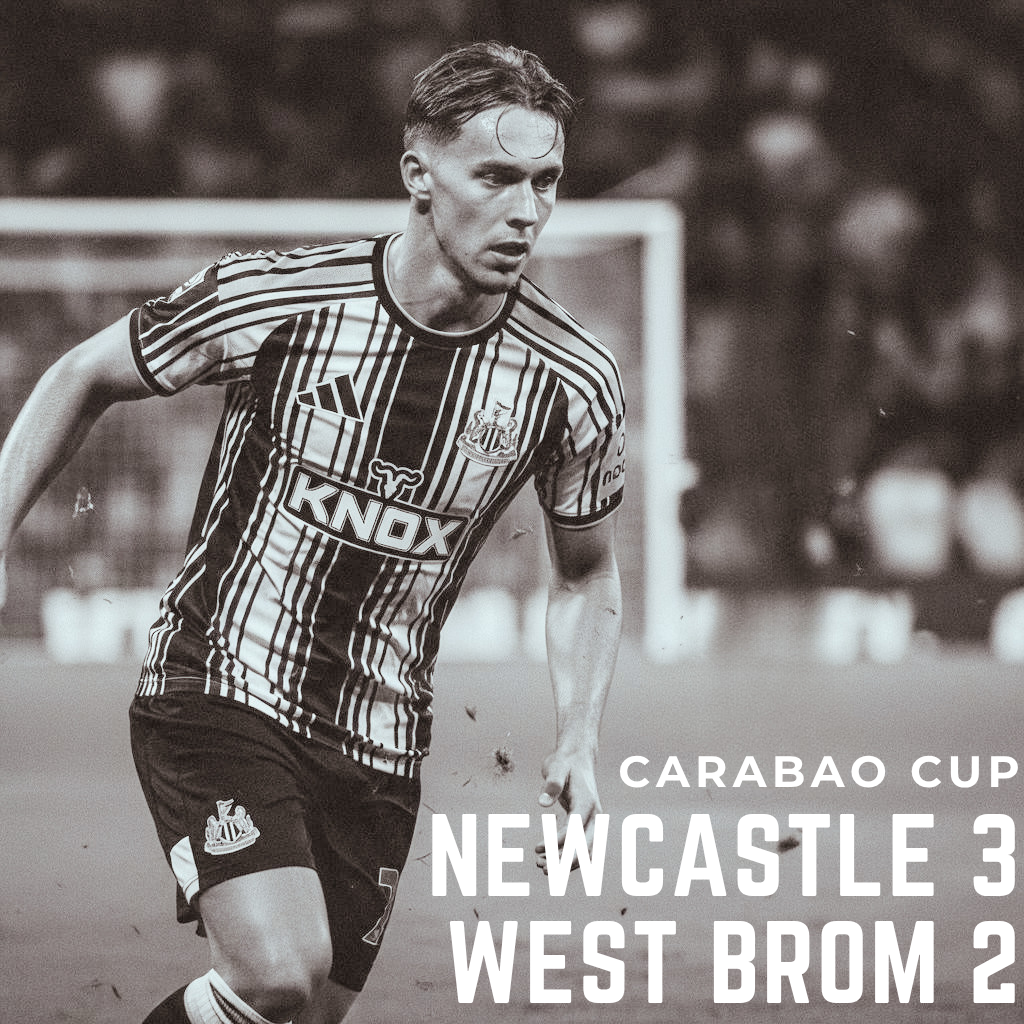
    Liverpool at home on the opening weekend: 2-2, Newcastle the braver side for long stretches, undone only by a Dominik Szoboszlai penalty in the ninety-ninth minute. Three days later, West Brom in the Carabao Cup, and a proper test of character — a goal down inside twenty minutes at St James’ Park before Touré scored on his debut and substitute Harvey Barnes struck twice, the winner on 81 minutes, for 3-2 and Jaissle’s first win. Four days after that, Tottenham Hotspur Stadium: 2-0, Yoane Wissa and Anthony Elanga, three points on the road against a top-six side.

    Three games, nine days, unbeaten. A rebuilt squad with an average age of twenty-one in its new intake, a coach who’d been in the country a month, and not a single collapse when the pressure came.

    What happens now
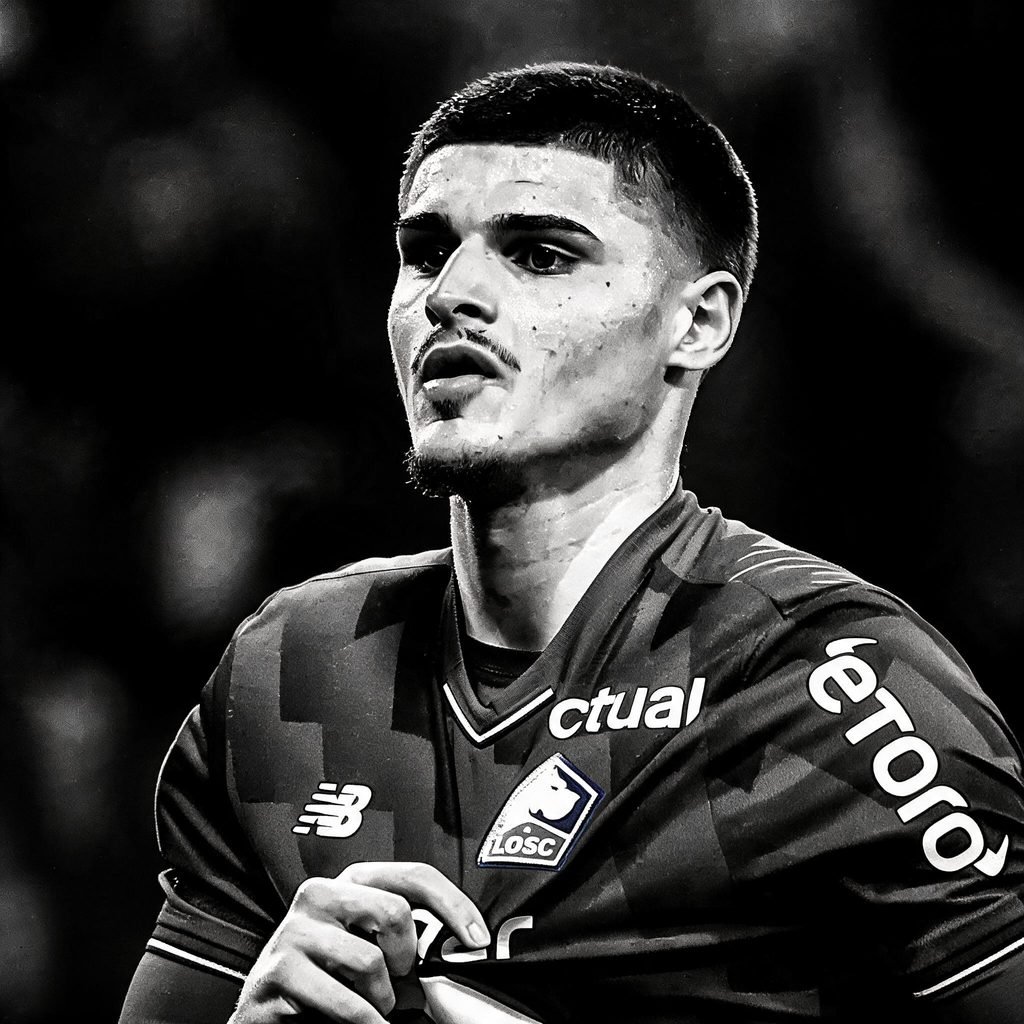
    Today is deadline day, and the window shuts at 11pm. The Fernandez-Pardo deal is already done and dusted — the headline arrival of the window, signed, sealed, medical passed. What’s still live as the clock runs down is the other end of it: Nick Woltemade’s future, with Juventus understood to be closing in on a loan. By midnight, Jaissle will know the final shape of the squad he’s building his first season around.

    Be clear-eyed about this season. Jaissle has said the word “transition” more often than any other, and he means it. The realistic ambition is a top-half finish, a coherent identity, and young signings surviving their first English winter. Europe would be a bonus and nobody should treat it as a birthright after a 12th-place finish.

    But three to five years out, the shape is unmistakable. A coach whose entire career has been built on making sides greater than the sum of their transfer fees. A recruitment model that sells high, buys early and stays within the rules. Record commercial revenue. A training ground reborn. A stadium decision finally in motion. Five separate strands, for the first time since October 2021, pulling in the same direction at once.

    Newcastle spent last winter looking finished. What was actually happening was the slower, uglier, more necessary work of a thing dismantling itself in order to become something else. Walk up towards the Gallowgate now, on a September evening with the cold coming up off the Tyne, and you can hear it in the noise before you reach the turnstiles.

    They never stopped coming. Now they’ve got something to come for.

    How do you feel about the club after a roller coaster summer? Where do you think the club will finish in the league this season? What are your expectations? Join the conversation on X @mytoonarmy #NUFC
  • 24 Hours to Transfer Deadline: Newcastle’s Last Entries in a £244m Ledger

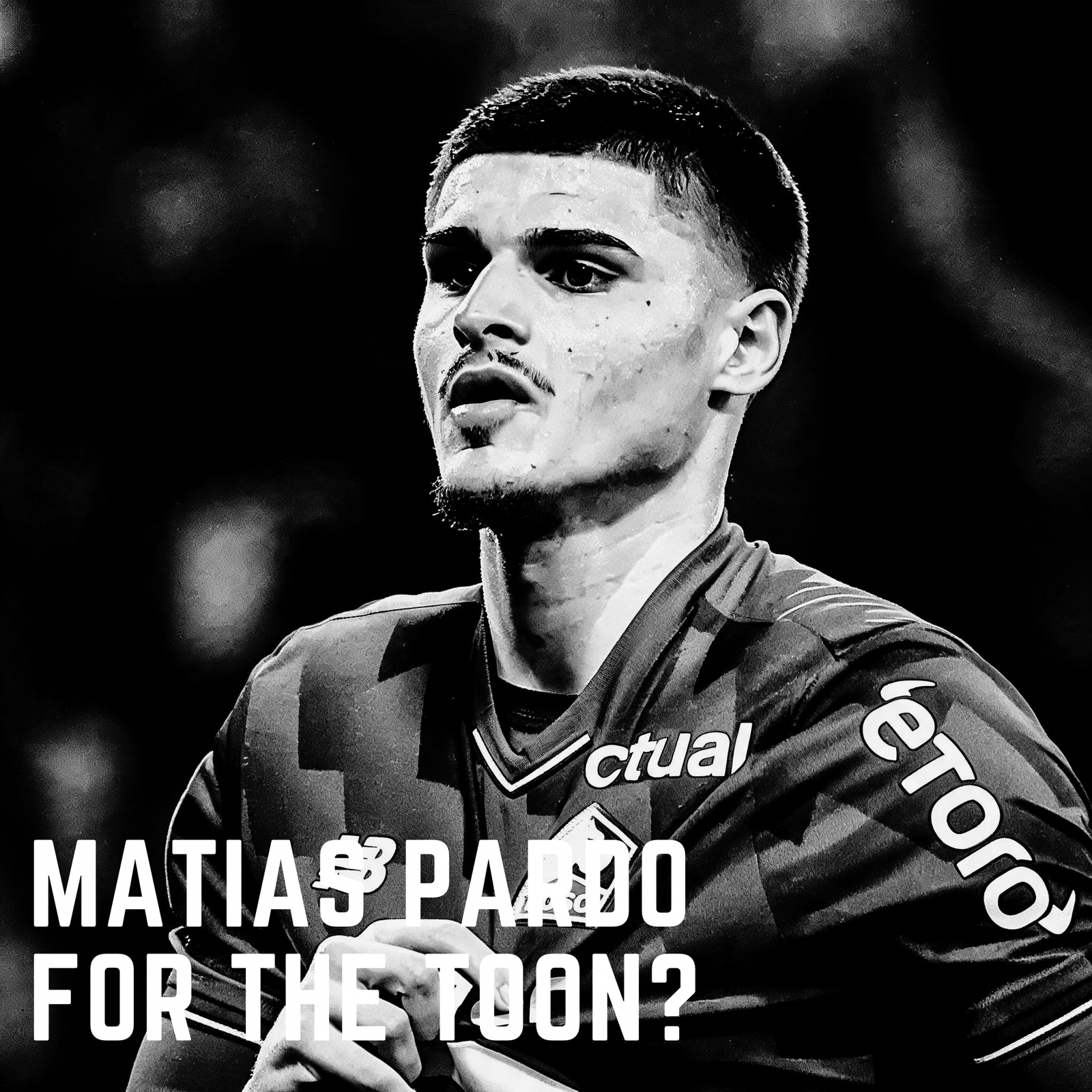
    Matias Pardo for Newcastle?

    At Domaine de Luchin, on the flat farmland south-east of Lille, a 21-year-old Belgian has been training away from the first team for the better part of a week. Matias Fernandez-Pardo has not been dropped for form. He has been quarantined for accounting reasons — a €70m asset that Olivier Létang would rather not damage while three European clubs circle the price tag.

    By eleven o’clock on Tuesday night, that stand-off resolves one way or the other. And so, in large part, does Newcastle United’s summer.

    Ross Wilson’s phone has been the busiest object on Tyneside for a fortnight. Matthias Jaissle admitted as much before the trip to north London, describing the daily push for reinforcements as the first message he sends each morning. Then, in the same breath, the corrective: the German said the club want to be smart and refuse to act in panic. Both halves of that sentence matter. The first is the head coach protecting himself against a thin squad. The second is a sporting department protecting itself against a fee it will still be amortising in 2031.

    The arithmetic of a sold spine

    Start with what left, because everything downstream is a consequence of it.

    Sandro Tonali to Tottenham for £92.5m. Bruno Guimarães to Arsenal for £75m. Anthony Gordon to Barcelona for £68m. Roughly £244m raised across the window once the smaller exits and the released contracts of Kieran Trippier, Matt Targett and Emil Krafth are folded in. Three players who between them started the club’s first Champions League knockout campaign, gone inside nine weeks.

    The reinvestment tells you what kind of institution PIF now believes it is running. Around £220m has gone back out — Nico González from Manchester City at £50m, Bazoumana Touré from Hoffenheim at £43m, Amar Dedić from Benfica at £30m, Aladji Bamba from Monaco at £30m, Lukáš Horníček at £26m, Sean Steur at £20m, Ewen Jaouen at £18m — and the median age of that intake sits at twenty-two. Steur is eighteen. Bamba and Jaouen are twenty.

    Read those two columns side by side and the strategy stops being a mystery. Newcastle have converted three mature, fully-amortised assets into cash at the top of their valuation curve and redeployed the proceeds into registrations with five, six, seven years of residual value ahead of them. The profit on the sales lands in a single accounting period. The cost of the arrivals is smeared across the length of their contracts. It is, in the crudest terms, a balance-sheet trade dressed as a football rebuild.

    Sources familiar with the club’s planning describe it as the only route available under the league’s new architecture. From this season, Profitability and Sustainability Rules have given way to the Squad Cost Ratio and the Sustainability and Systemic Resilience framework, which tether wages, agents’ fees and transfer amortisation directly to football revenue and net profit on player trading. Sell high, buy young, keep the wage bill flat: that is a club optimising for a ratio, not a transfer window.

    The FY25 accounts, signed off by Yasir Al-Rumayyan on 9 November last year, show the machinery underneath. Intangible assets — the book value of player registrations — fell from £350.0m to £281.2m across the year to 30 June 2025, an unusual contraction for a club supposedly building. Net assets climbed from £248.3m to £333.0m. Retained losses narrowed from £221.1m to £186.4m, implying something close to £35m of profit in a season the strategic report describes, with admirable understatement, as mid-table.

    None of that happened by accident. Fifty million pounds of fresh equity flowed through the share premium account during the year, with a further £106.5m arriving from PZ Newco in September 2025. In July of that year the group refinanced into a £50m term loan and a £50m revolving facility at SONIA plus 2.15%, secured against Premier League central funds and ticket revenue, running to July 2028.

    That last detail is the one worth sitting with. Newcastle United have pledged the money that comes through the Gallowgate turnstiles as collateral. Every season ticket sold on Barrack Road is, in the most literal sense, security for the club’s working capital.

    Three strikers, one of them injured

    Now bring the ledger down to the grass.

    The squad list Jaissle is working from contains three recognised centre-forwards. Yoane Wissa is twenty-nine. William Osula is twenty-three and hobbling, forced off before the hour against Liverpool on the opening day with a foot problem that will keep him out for weeks. Nick Woltemade is twenty-four, still the club’s record signing at an initial £65m, and has spent most of August being discussed as though he were surplus.

    Napoli have asked about a loan. Interest has surfaced from Germany. Manchester United were, at one stage, offered the chance to take him. And Newcastle’s position has hardened into something close to an ultimatum aimed at their own recruitment team: nobody leaves until somebody arrives.

    Jaissle would not be drawn after Saturday night’s win in north London, where Woltemade came off the bench and laid the second goal on a plate. Nick is part of the squad, he said, before noting that the club still intend to be active. A head coach who wants a player retained does not phrase it that way. A head coach hedging against a deal that may or may not close by Tuesday night does.

    So the permutations stack up, and they are genuinely open.

    If Fernandez-Pardo signs — Foot Mercato reported the gap narrowing sharply on Sunday morning, after an opening bid of around €45m was dismissed and a second at €60m tested Lille’s resolve — Newcastle have a 21-year-old who can play both flanks and through the middle, the profile Gordon used to fill, and Woltemade’s loan exit becomes viable within hours. If Lille hold at €70m and Newcastle walk, as they briefly did last week, the German stays, Osula’s foot becomes the most scrutinised metatarsal in the North East, and the attack goes into September one injury from Joe Willock playing as a false nine.

    Behind the Belgian sit two names, and one of them arrived in the gossip columns overnight.

    Bilal El Khannouss at Stuttgart, twenty-two, a creator rather than a runner, already familiar to the recruitment department from his Leicester years, has been under consideration for a fortnight. Matías Soulé has not. TEAMtalk reported last night that Newcastle have joined the pursuit of the Roma winger, twenty-three, an Argentina international whose future in the Eternal City depends on whether Gian Piero Ghisolfi lands the attacking reinforcements he has been chasing. Fulham, Everton and Brighton are watching. AC Milan have talked to his representatives.

    And so, inevitably, have Sunderland.

    The Black Cats approached Roma for Soulé in July and could not agree terms. They have circled back in the closing hours, with Igor Paixão at Marseille the parallel track, and they will make a late offer if Roma soften. Which means the most likely late signing of Newcastle’s window is a player their neighbours have wanted since midsummer, in the first season since 2016 that both clubs have shared a division, with a derby at the Stadium of Light already inked into the calendar.

    Nobody at Benton will admit that changes the calculus. It changes the calculus.

    Soulé would also stretch the age policy that has governed everything else. At twenty-three he would arrive older than Touré, Bamba, Steur and Fernandez-Pardo, and level with the band occupied by Dedić and Horníček — hardly a veteran, but evidence that the discipline of the early window loosens as the clock runs down. Deadline day has a way of turning a recruitment philosophy into a set of available options.

    Where the shape still creaks

    Look past the forward line and the gaps are structural rather than cosmetic.

    At right-back, Tino Livramento and Amar Dedić are cover for one another, with 19-year-old Leo Shahar the only other listed option. In central defence, the club is asking Sven Botman and Malick Thiaw to carry a season on their own; behind them sit Fabian Schär and Dan Burn, both thirty-four, the latter now wearing the armband in a dressing room that lost Bruno, Trippier and Tonali inside a single summer. The average age of that back line, weighted by likely minutes, is the oldest part of an otherwise adolescent squad.

    Midfield is where the rebuild has been most aggressive and is therefore most exposed. González arrived from City as the one ready-made starter in the entire intake, and he was, by the reckoning of most who watched Saturday, the best player on the pitch — a fact rendered slightly cruel by the identity of the man he outplayed. Around him: Bamba at twenty, Steur at eighteen, Lewis Miley at twenty. Jacob Ramsey and Joelinton are the only senior ballast, and Joelinton is thirty and has a surgical history in that thigh.

    Figures close to PIF’s strategy have long argued that the plan was never a two-year plan. Fair enough. But a squad cost ratio does not care about your five-year horizon, and neither does a Tuesday-night fixture in February when three of your midfielders are still teenagers.

    What Tuesday actually decides

    There is a version of this window that closes tomorrow night looking coherent. Eight signings. A Belgian winger with a decade of resale ahead of him. A German striker gaining minutes in Serie A while Osula heals. A wage bill materially lighter than the one Eddie Howe left behind.

    And a net spend that barely registers. Run the two columns: £244m banked from the sales, roughly £220m committed on the seven arrivals to date, plus something near £52m if Lille finally take the money for Fernandez-Pardo. That leaves the club about £28m lighter across the whole summer — a rounding error against a squad that has been rebuilt almost from the spine outwards. Newcastle will have replaced three established internationals, changed their head coach, cut the average age of the first team by years, and spent, in cash terms, less than they paid for Bruno Guimarães in 2022.

    There is another version where Lille hold firm, the alternatives prove unreachable inside twenty-four hours, and Newcastle enter the international break having sold £244m of proven Premier League output and replaced it with promise, a hospital wing and a coach who has been on Tyneside for four weeks.

    The gap between those two outcomes is roughly €10m and one phone call.

    Down at St James’, the flags are already going up for the next home fixture. The wind coming off the Tyne has that early-September edge to it, the one that tells you the summer’s arguments are about to become the season’s results. Somewhere above the Milburn Stand, in an office with the blinds half-drawn, someone is doing sums against a clock.

    Twenty-four hours. Then the ledger closes, and the football starts telling us whether the accountants were right.

    Is Pardo the answer Jaissle is looking for? Are you happy with the summer transfer window? Join the conversation on X @mytoonarmy #NUFC

  • What Jaissle Actually Sees in Nick Woltemade

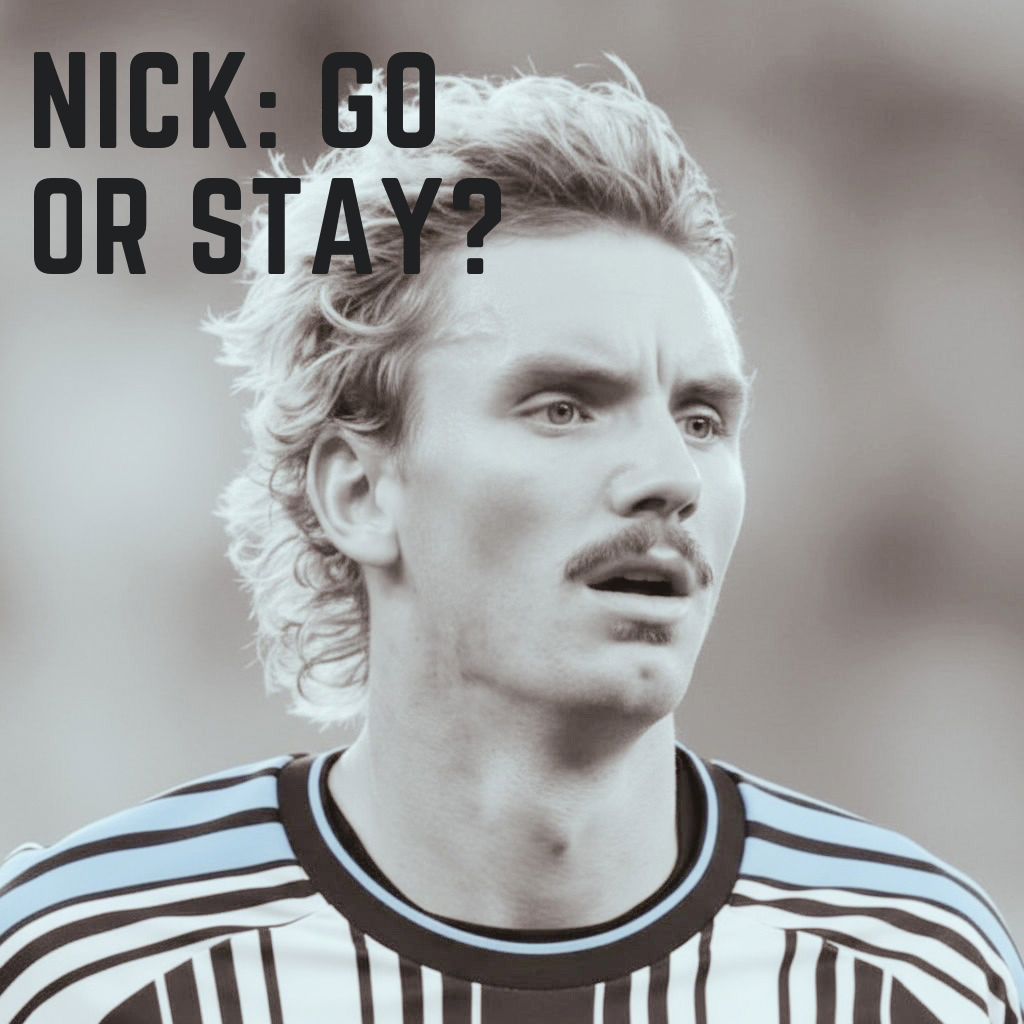
    Nick Woltemade

    Wednesday night, West Bromwich Albion at St James’ Park, and Nick Woltemade plays a full ninety minutes as a central striker for Matthias Jaissle for the first time. Newcastle win 3-2 in the Carabao Cup. Less than twenty-four hours later, Fabrizio Romano is reporting that Napoli have been on the phone to Tyneside, sounding out a loan move before Tuesday’s deadline. Two signals arriving in the same week, pointing in opposite directions — one manager finally building around him, one Serie A club wondering if he’s available. Rather than chase that contradiction round in circles, it’s worth asking the more useful question: what does Jaissle actually have in Woltemade, and what is he still waiting to find out?

    What he brings

    Start with what nobody disputes. At 6ft 6in, Woltemade is not a target man in the crude, knock-it-long sense — he’s technically better than his height suggests, comfortable receiving with his back to goal, capable of turning defenders with a single touch, and unusually mobile in the final third for a player his size. That combination was on full display in his opening month on Tyneside last September: a debut goal against Wolves, a strike on his Champions League bow, and finishes in each of his first three home league games, a run good enough that supporters were drawing comparisons to Alan Shearer within a fortnight of him arriving.

    The technical package is real. He can drop into a pocket and lay the ball off first time, and when he carries the ball forward on the ground he does it with a stride length that eats up space defenders think they’ve closed down. Chris Waddle offered the clearest outside read on that physical profile last summer, in the aftermath of Bayern Munich’s public strop over losing out on the deal — a Bayern board member had branded Newcastle’s spending “idiots’” money, and Waddle was asked on air why Bayern were so sore about missing out on a player they’d expected to get cheaply. His answer, stripped of the Bayern context, still holds: a tall, technically capable forward with more mobility than his size suggests. That’s the profile Jaissle inherited — a striker built to occupy the width of a box and finish the chances a possession-heavy side is going to generate.

    What he cannot do (yet?)

    The other half of the ledger is just as clear, and it’s the half that got him shifted out of his best position for most of last season. Eddie Howe moved Woltemade into a deeper, quasi-midfield role for long stretches of the campaign specifically because his lack of top-end pace made him a liability in the space in behind that Newcastle’s system was trying to create. It didn’t work particularly well in either direction — Woltemade never looked comfortable circulating possession from deep, and Newcastle lost the focal point his height was supposed to provide.

    The output collapsed alongside the positional confusion. After a red-hot opening month, he managed just two goals and one assist across the final six months of the season, a drop-off stark enough that his own frustration became public. Eleven goal contributions from thirty-three league starts is a mediocre return for a club-record forward, and the deeper problem it points to — inconsistent service, no settled role, and a player whose engine isn’t built for pressing at the intensity a modern front line demands — is exactly the problem Jaissle now has to solve.

    Where the numbers place him

    Since Howe first pulled him inside from a pure No. 9 role, and Jaissle has continued using him in deeper, more creative positions in phases this season, Woltemade has effectively been auditioning for two different jobs at once — lead the line, and help build the attack from just behind it. His debut Premier League season offers a genuine, if unflattering, data set against both requirements.

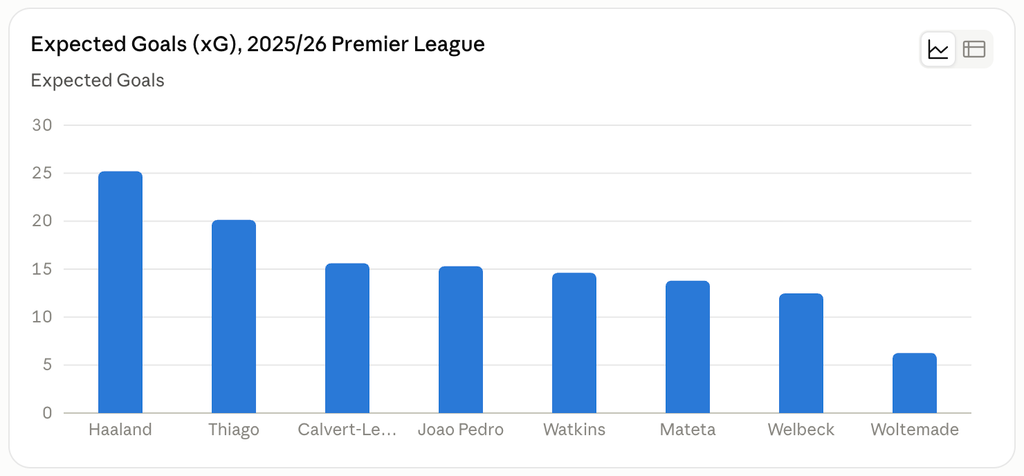
    Finishing. Seven league goals and two assists from twenty-five appearances, generated from 6.26 expected goals off thirty shots — a return that roughly matched rather than flattered his underlying numbers, with 40 per cent of those shots on target. That’s competent, but it sits well outside the range of the league’s genuine No. 9s: Erling Haaland led the division with 25.2 xG, Igor Thiago posted 20.1, and even the seventh name on that list, Danny Welbeck, generated 12.5. Woltemade’s 6.26 wasn’t half of Welbeck’s — a gap that’s about the volume and quality of the chances reaching him as much as his own finishing.

    Chance creation. This is where the No. 10 minutes should show up, and they barely do. Twelve chances created and two big chances created across the season, translating to 0.80 expected assists and two actual assists. For context, Bruno Fernandes — having the most productive creative season in Premier League history — finished with roughly 11.7 xA and a record 21 assists. Nobody expects Woltemade to approach that; but a forward being used centrally in a creative role for stretches of the campaign producing barely a chance a game is a modest return, and it suggests Jaissle’s deeper positioning of him hasn’t yet unlocked genuine creative output, whatever else it’s done for his touches on the ball.

    Progression. He’s not beating people with the dribble: ten successful take-ons from twenty-five attempts, a 40 per cent success rate that’s unremarkable for a forward operating in tight areas. His pass completion sits at a reasonable 74.7 per cent, and he’s averaging just over four touches in the opposition box per 90 across all competitions — evidence he still finds the danger areas even when he’s dropped deeper, but not evidence of a player carrying Newcastle up the pitch.

    Duels and press resistance. This is the number that should concern Jaissle most, and it’s the one behind the “loses a lot of duels” impression from the eye test. Woltemade won just 37.8 per cent of his total duels in the Premier League last season — 76 from 201 contested — with his aerial win rate sitting at 39.5 per cent (32 of 81). Strip out the aerial contests and his ground-duel win rate drops to roughly 36.7 per cent. That means he’s losing close to two out of every three physical contests he enters, on the floor as much as in the air, which is a genuine problem for a Red Bull-schooled coach whose football depends on forwards winning the ball back high up the pitch. It’s also not simply a height issue: Crystal Palace’s Jean-Philippe Mateta, three inches shorter, won a near-identical 40.8 per cent of his aerial duels (60 of 147) — suggesting the gap is about timing, positioning and physical engagement rather than raw size. Woltemade has the frame to win these contests; the data says he isn’t winning them yet.

    Put together, the numbers describe a forward who hasn’t fully delivered on any of the three things his hybrid role has asked of him this season — goals relative to service, creation from deeper positions, or the physical duel-winning his frame promises. None of that rules out improvement under a settled system and a coach who rates him. But it’s a considerably more demanding set of numbers to turn around than the goals column alone suggests.

    What Jaissle has actually said

    Asked directly this week whether Woltemade would still be at the club after Tuesday’s deadline, Jaissle didn’t produce a ringing endorsement, but he didn’t hedge into ambiguity either. “I expect him to stay,” he told reporters, before acknowledging that circumstances in football can shift quickly. That is calculated, not cagey — no manager slams a door on a genuine loan enquiry three days before deadline day when it might still suit the club to walk through it, and no manager who’s decided a player has no future hands him ninety first-team minutes in a cup tie forty-eight hours earlier. The two facts sit together more comfortably than the transfer gossip cycle wants them to.

    Reading the system, not just the soundbite

    The more revealing evidence isn’t the quote. It’s the shape Jaissle has built everywhere he’s coached. At Salzburg his forwards led an aggressive counter-press aimed at the opposition’s centre-backs, built for speed and relentless work-rate. At Al Ahli, faced with a more experienced squad, he adapted into a 4-2-3-1 with a single central focal point — and the man he chose to lead that line was Ivan Toney, a physically dominant, hold-up-and-finish No. 9 who is not, and has never pretended to be, a pressing terrier in the Salzburg mould. Jaissle proved there that his football doesn’t require every striker to fit the same athletic template; it requires a striker who fits the specific team he’s building at that moment.

    That’s the case for Woltemade. His frame, hold-up strength and technical quality in tight areas map far more closely onto the Toney role at Al Ahli than onto the box-to-box pressing forward Howe tried, unsuccessfully, to turn him into — even if the aerial numbers above suggest that fit is still more potential than proven. If Jaissle wants a focal point to combine with quicker, more mobile runners either side of him — and Newcastle’s business this summer, chasing wide players with genuine pace, suggests exactly that intention — Woltemade’s frame and technique are precisely what that role calls for.

    What Jaissle doesn’t yet know, because a single Carabao Cup tie against Championship opposition can’t tell him, is whether Woltemade can hit the defensive triggers a Red Bull-schooled coach still demands even from a target man — closing passing lanes on cue, forcing the first pass square rather than forward, not simply existing at the top of the pitch waiting for service. That is the actual audition running between now and the World Cup break, not the noise from Naples.

    Where that leaves the debate

    None of this resolves neatly into keep-him or sell-him. It reframes the question. Jaissle’s comments and his selection this week both point toward a manager giving Woltemade the specific role his attributes were always suited to, rather than the one that broke his confidence last season. Whether that experiment succeeds is a football question that needs six or eight matches to answer, not a transfer deadline. A loan to Naples would end the experiment before it’s begun; keeping him in a settled central role, even through a difficult September, is the only route that actually tells Newcastle what they own.

    Will Nick still be with us when the window shuts in a few days time? What is his best position and role in a Jaissle team? Join the conversation on X @mytoonarmy #NUFC
  • Handshakes, hard edges: reading Jaissle’s first month in front of the cameras

    Matthias Jaissle

    The same media suite at the training ground that grew used to Eddie Howe’s careful, guarded cadence for the best part of five years now has a new occupant. On Thursday evening it hosted Matthias Jaissle for the third time in a fortnight, and by now the room has started to learn his rhythms — the measured pauses before he answers on selection, the flicker of irritation whenever a question edges towards officiating, the diplomatic warmth he reserves for anything involving the city itself.

    This was the briefing ahead of Saturday’s trip to the Tottenham Hotspur Stadium, Newcastle’s first away fixture of the new season, and it landed at an interesting moment in the German’s tenure. Two competitive matches into life on Tyneside — a 2-2 draw with Liverpool undone by Dominik Szoboszlai’s stoppage-time penalty, followed by a scratchy 3-2 Carabao Cup win over Championship side West Brom in which Lewis Hall conceded a second penalty in as many games — and already the shape of his relationship with the press is beginning to set.

    What he was asked, and what he said

    The team-news line dominated. Nico González, signed from Manchester City this summer, trained fully with the group this week, and Jaissle confirmed the Spaniard is under consideration for a first involvement at the Lane. He described González as sharp in training and a player of real quality and potential, though he stopped short of promising a debut — the kind of calculated non-answer that will become familiar to anyone covering this side over the coming months. Tino Livramento, meanwhile, remains on a graduated return from his World Cup injury; Jaissle was clear that the club has no intention of rushing him, a caution that reads as much about squad depth as medical prudence given how threadbare Newcastle’s options at full-back have looked since the summer exodus.

    And it was some exodus. Bruno Guimarães, Sandro Tonali and Anthony Gordon all left St James’ Park during the window, and Tonali could conceivably win the point back against his old club on Saturday having joined Roberto De Zerbi’s rebuilt Spurs side. Jaissle was asked directly about facing a former teammate turned opponent and gave the pundit-friendly answer rather than the sentimental one: Spurs are a serious side, but Newcastle’s approach won’t bend for anyone. It’s a stance he has repeated in some form at every press conference so far — an insistence that identity outranks opposition, even against a club that finished above Newcastle for long stretches last season.

    There was also a personal note. Asked to reflect on his first fortnight in the job, Jaissle spoke about the warmth of his reception, both in the city and inside the two competitive fixtures he’s overseen at St James’ Park so far, and pointed to game-day atmosphere as something that had genuinely struck him — not press-conference boilerplate so much as a coach registering, out loud, that Tyneside expects to be taken seriously as a spectacle as well as a football club. On his emerging crop of academy graduates and fringe first-teamers thrust into senior involvement by the summer’s departures, he asked for patience, framing inconsistency as the accepted cost of blooding young players into a Premier League squad mid-rebuild.

    The first impression: warmth with teeth

    Go back to his unveiling and the tone was set almost immediately, and not through anything he said. Rather than take the podium cold, Jaissle broke from convention and walked the room, shaking hands with every journalist present before he’d answered a single question — an unforced, faintly theatrical gesture that immediately marked him out from the guarded, monosyllabic house style Eddie Howe’s final months had settled into. He followed it by describing his first days in the city with something close to genuine sentiment, talking about touring an empty St James’ Park and being unable to wait to see it full. None of that costs a manager anything, but it buys goodwill, and reporters on the beat noticed.

    What’s been more revealing, though, is what happens when the questions turn adversarial. After Lewis Hall’s coming-together with a Liverpool forward produced the stoppage-time penalty that cost Newcastle the win on his competitive debut, Jaissle didn’t retreat into platitudes. He went to the pitchside monitor visibly unhappy, then used his press conference to dismantle the decision — calling it soft, arguing the contact didn’t meet the threshold, and pointedly noting he was holding back further comment to avoid an FA charge. That last line matters: it’s the sound of a manager who understands exactly where the boundary sits and is choosing to graze it rather than cross it, which is its own kind of media management. He was visibly unhappy with the officials again four days later when Hall conceded that second penalty against West Brom, suggesting Liverpool wasn’t a one-off flashpoint so much as a look at how he’ll behave under pressure all season. Jamie Carragher, watching the same clips, picked up on precisely that combustibility and read it as a selling point rather than a liability, suggesting there’s a competitive edge to Jaissle that Premier League opponents — and Newcastle’s support — will come to enjoy. Not everyone was as charitable; Tim Sherwood took the same touchline reaction and framed it as calculated pressure on referees and the VAR process rather than spontaneous frustration, which is the more cynical read and one Jaissle will hear plenty more of the longer this job goes on.

    Put those two data points together — the handshake tour and the pitchside monitor eruption — and you get a more useful picture than either alone. This is a head coach who has clearly thought about the PR dimension of the job, who knows that a four-year contract signed after Newcastle paid Al Ahli £9.5million in compensation buys him goodwill but not infinite patience, and who is choosing to spend some of that goodwill early by being visibly competitive rather than blandly diplomatic. It’s a more textured start than the club probably expected from a 38-year-old with no previous experience of English football or its press pack, and it suggests Jaissle intends to control the media relationship rather than simply survive it. Saturday at the Lane, against a former player and a manager pursuing an identical high-press philosophy, will offer the next real test of whether that approach holds up once results start cutting the other way.

    What do you think of our new manager? Does he have what it takes to be successful in the Premier League? Join the conversation on X @mytoonarmy #NUFC
  • Barnes Off the Bench, Dedić Pulling the Strings: Newcastle Survive a Carabao Cup Scare Against West Brom

    Amar Dedic

    Nineteen minutes gone at St James’ Park and Isaac Price, on his debut, has just bent a free-kick round a static wall and beyond a flat-footed Ewen Jaouen. The away end erupts. Somewhere in the directors’ box, Nico González watched on, unveiled to the Gallowgate before kick-off to great applause and reception. Down on the pitch, Newcastle’s kids are getting a lesson in the brutal unsentimentality of knockout football from a Championship side who mean business.

    By 10.12pm BST, none of that mattered. Harvey Barnes, forty-five minutes into his night’s work, had scored twice from the bench, Amar Dedić had carved the game open from right-back with the composure of a man twice his experience, and Newcastle were through to round three of the Carabao Cup, 3-2, in a tie that swung four times before Matthias Jaissle could exhale.

    The Numbers Behind a Ragged, Absorbing Night

    Strip away the theatre and the underlying picture is one of a Newcastle side still assembling its identity under Jaissle — fluent going forward in bursts, alarmingly loose without the ball, and reliant on individual quality to bail out structural uncertainty.

    Where Newcastle were strong:

    • Transition speed down the right. The axis of Dedić and Murphy (and later, Elanga) repeatedly turned West Brom’s back four before they’d set. The move for the 81st-minute winner — Elanga surging beyond his full-back, teeing up Dedić, whose low centre Barnes turned home first time — was a carbon copy of the pattern Newcastle had been probing for the better part of twenty minutes.
    • Set-piece opportunism. Barnes’ first goal, the 48th-minute equaliser-turned-lead-changer, came from a corner that West Brom’s back line failed to clear cleanly; Barnes’ low drive from the edge of the box wasn’t even meant to be the final act, and he arrived to finish his own rebound.
    • Goal-productivity from midfield architecture. Sean Steur’s driving run and incisive pass — after he’d been the one to concede the free-kick for West Brom’s opener, a detail Jaissle will have clocked — was the platform for the leveller on 38 minutes, worked wide to Dedić, whose whipped delivery Bazoumana Touré forced in under pressure from Chris Mepham.

    Where the cracks showed:

    • Two penalties conceded, both through Lewis Hall. A repeat offender inside four days — having given away a spot-kick against Liverpool on the Sunday — Hall’s second penalty of the week, on 76 minutes, allowed Price to draw West Brom level from twelve yards and expose a Newcastle back line that, shorn of Dan Burn and Tino Livramento to injury, is still finding its shape.
    • A two-man midfield stretched thin. With Steur and Jacob Ramsey the only bodies shielding the back four for large spells, West Brom’s front two — Barney Stewart and Jimmy-Jay Morgan — found pockets of space between the lines that a Championship side ought not to have found against a Premier League defence. It is, as more than one voice inside St James’ Park noted afterwards, still early days for Jaissle’s system, but the vulnerability was structural rather than incidental.
    • Goalkeeping uncertainty. Jaouen, stepping in for first-choice Lukáš Hornícek in a summer that has seen Nick Pope pushed down to third in the pecking order behind the two new arrivals, got a hand to Price’s free-kick for the opener and will feel he should have done better; competition for the gloves at St James’ Park is fierce enough now that even a rare off-night carries consequences.

    Dedić: Two Assists, Ninety Minutes, and the Discipline That Wins a Manager’s Trust

    If Barnes takes the headline for his brace, the man pulling the game’s strings from right-back was Amar Dedić, and the case for his man-of-the-match award is not close to marginal.

    Start with the end product: two assists in ninety minutes, delivered from two different phases of play and two different sides of the pitch. The first — a fizzed, first-time cross into the six-yard box for Touré’s equaliser — required Dedić to receive Steur’s pass under pressure and produce a delivery with pace and precision inside a single touch. The second, for Barnes’ winner, was a lower-tempo, patient centre picked out after Elanga’s overlap had dragged West Brom’s shape apart; different circumstances, same clean execution.

    End product alone tells only half the story. With Hall conceding two penalties in four days and Newcastle’s midfield often outnumbered by West Brom’s front two, the defensive burden on the opposite flank fell disproportionately on Dedić, tracking runners and closing lanes while still offering the outlet going forward that both goals required. A full-back doing a full-back’s unglamorous defensive job and a creator’s job simultaneously, for the full ninety minutes, against a well-organised Championship side, is precisely the profile of performance that shows up nowhere on a highlights reel but everywhere on a coach’s notes.

    Compare that to the alternative candidates. Steur was excellent in the moments that mattered — his surge and pass built the equaliser, and Newcastle fans inside the ground were already murmuring his name for the individual honours — but he was culpable for the foul that led to Price’s opening free-kick, and was withdrawn before full time, replaced by Charlie McArthur Miley, meaning his influence on the closing stages, when Hall’s second penalty and Barnes’ winner both arrived, was zero. Barnes scored twice, which is precisely what a substitute introduced at half-time is asked to do, and Jaissle’s post-match praise for him was pointed and specific — more on that below — but a forty-five-minute cameo, however clinical, does not carry the same weight as ninety minutes of two-way defensive and creative work from right-back. Dedić’s case rests on volume as much as quality: he did more, for longer, in more phases of the game, than anyone else in a black-and-white shirt.

    Man of the Match: Amar Dedić

    Steur’s Statement and Barnes’ Instant Impact

    None of which should diminish Steur’s night. At eighteen, deployed in the deeper of Newcastle’s two central midfield roles, he looked entirely unbothered by the step up — his passing range under pressure, particularly the ball that released Dedić for the first goal, suggested a footballing intelligence well beyond his conditions, and it was that combination of press-resistance and vision that had supporters and pundits alike pencilling him in for the individual award before West Brom’s second penalty complicated the picture. Jaissle’s decision to withdraw him rather than risk fatigue or a second yellow, with Miley a like-for-like swap, spoke to a coaching staff already trusting the teenager with genuine tactical responsibility.

    And then there was Barnes. Introduced at the interval for the debutant Touré, he needed three minutes of the second half to make his mark and forty-five to complete the job: a driven shot from the edge of the area that West Brom couldn’t clear, followed by the simplest of finishes to the loose ball; then, on 81 minutes, the coolest of first-time turns onto Dedić’s low cross to restore a lead that had been surrendered moments earlier. Two goals from two genuinely different types of chance — the scrambled rebound and the clinical first-time strike — is the kind of instant-impact substitute cameo that reshapes a manager’s thinking about a matchday squad.

    Asked specifically about Barnes afterwards, Jaissle was unambiguous that the value went beyond the scoreline. “It’s not only goals,” he said. “As we saw also against Liverpool he was doing a really great job, not only in possession, also out of possession. He is disciplined, especially also with the combination with Lewis Hall. We’re really pleased, I thanked him after the match, it was important that he scored.” It is a rare thing for a head coach to volunteer a defensive compliment about a winger who has just scored twice, and it points to exactly the kind of two-way team ethic Jaissle is trying to instil across his rebuilt squad.

    Next Up: The Den Awaits

    The reward for seeing off West Brom arrived within hours of the final whistle. Newcastle have been drawn away to Millwall in the Carabao Cup third round, a trip to The Den that will offer an altogether different examination of Jaissle’s young side to the one West Brom posed under the Gallowgate floodlights. With Round Three fixtures scheduled across the weeks commencing 7 and 14 September to accommodate the nine clubs still competing in Europe, and Newcastle among the sides not required to juggle a continental commitment that week, the tie is expected to fall in the earlier of the two windows — though the EFL is yet to confirm the precise date and kick-off time.

    It is, on paper, a tie stripped of the glamour of a Manchester City or a Liverpool, but anyone who has made the journey to South Bermondsey knows The Den carries its own particular menace: a tight, hostile arena where Championship promotion-chasers have made life uncomfortable for bigger names than this Newcastle side in recent seasons. For a Jaissle project still finding its balance between the calm authority of Steur and the defensive uncertainty exposed by Hall’s fortnight of penalty concessions, it promises to be a useful, unglamorous test before the serious business of the Premier League campaign resumes.

    The Broader Picture

    Newcastle move into the third-round draw having survived rather than dominated, against opposition managed by James Morrison that Jaissle, in his post-match conversation with his opposite number, rated highly enough to suggest West Brom “will play a great role” in this season’s Championship. For a Newcastle side still stitching together a new-look XI in the opening weeks of Jaissle’s tenure — light on senior central midfield cover, still bedding in summer arrivals like Dedić, Steur and Touré, and managing without Burn, Joelinton and Livramento — a scrappy cup win with two goals from the bench and a captain’s-innings performance at right-back is, on balance, exactly the kind of result a rebuilding project needs: uncomfortable enough to expose the gaps, convincing enough to bank the points and the confidence.

    What did you think of the victory against West Brom? Will Newcastle progress deep into the Carabao Cup competition? Join the conversation on X @mytoonarmy #NUFC