Data Driven Insights. Fearless Opinions.

Squad

  • The Sporting Director’s Window: Ross Wilson and the £266m Reset Nobody Saw Coming

    The Wizard of Toon

    Ross Wilson, take a bow.

    Eleven o’clock on Tuesday night, and the ledger finally closes: £266.4m spent, £236m banked, three full internationals sold inside nine weeks. By any measure that is one of the more violent squad turnovers English football has seen in a single window. That it happened without the finances buckling, without a manager-less panic, and without a single deal that reads as desperate on Wednesday morning, tells you rather more about Ross Wilson than any individual signing does.

    Start with the conditions he was working under, because they matter more than the transfer graphics ever will.

    The inheritance

    Paul Mitchell walked out of the sporting director’s office in June 2025, eleven months after arriving to succeed Dan Ashworth. Newcastle went into last summer’s window — the one that delivered Woltemade at a club-record fee and saw Anthony Gordon fill in as an emergency centre-forward — without anyone formally holding that brief. Wilson didn’t arrive from Nottingham Forest until 11 October, by which point the season was already drifting toward the mid-table finish that eventually arrived: twelfth, five points off Europe, undone at Camp Nou by a Barcelona side that put seven past them in the second leg of a last-sixteen tie. Sunderland finished seventh. The optics were not kind.

    So Wilson had less than eleven months in the building — most of it spent doing due diligence on a squad he hadn’t built — before he was asked to sell three of its best players, replace a head coach who resigned on 31 July with three weeks to the season opener, and execute the heaviest rebuild of the PIF era, all while a new Squad Cost Ratio and Sustainability and Systemic Resilience framework replaced the old Profit and Sustainability Rules and started tethering wages and amortisation directly to football revenue. A Scot who cut his teeth at Huddersfield and Southampton before winning Rangers their first league title in a decade doesn’t scare easily, by all accounts. He needed not to.

    What went out the door

    Sandro Tonali left for Tottenham at £92.5m, a fee that made him Spurs’ record signing on arrival. Bruno Guimarães — the armband, the goals, the player who kissed the badge on the way out — followed to Arsenal for £75m. Anthony Gordon, fresh off a World Cup with England, went to Barcelona for £68m. Kieran Trippier left for Wolves on a free transfer; Matt Targett and Emil Krafth were released outright. Add it up and roughly £236m came in across the summer, three of the dressing room’s most senior voices gone inside a fortnight in June and July.

    For a fanbase that had spent four years being asked to trust a process, watching the removal van reverse up to St James’ Park stung. It was meant to. Selling three peak-value, fully amortised assets in the same window a club-record striker was already struggling for form is not a sequence any sporting director enjoys explaining to supporters. What it is, in the coldest accounting terms, is textbook: crystallise the profit on mature registrations before it depreciates, and do it while three separate buyers were prepared to pay top of market for proven Premier League and Champions League output. Newcastle’s FY25 accounts show intangible assets — the book value of the squad — falling from £350.0m to £281.2m across the year to 30 June 2025, even as net assets climbed from £248.3m to £333.0m and retained losses narrowed from £221.1m to £186.4m. That is a club that had already begun trading down its playing assets before this window opened. The summer just finished the sentence.

    What came back in

    Roughly £215m went straight back out across seven signings before deadline day, and the profile discipline is the tell. Nico González arrived from Manchester City for £48m as the one ready-made starter of the intake, an experienced midfield anchor who was, by most accounts, the best player on the pitch in the 2-0 win at Tottenham. Around him: Bazoumana Touré from Hoffenheim (£43m), Amar Dedić from Benfica (£30m) — a full-back who played under incoming head coach Matthias Jaissle at Red Bull Salzburg — Aladji Bamba from Monaco (£30m), goalkeeper Lukáš Horníček from Braga (£26m), Sean Steur from Ajax (£20m) and a second young goalkeeper, Ewen Jaouen, from Reims (£18m). Bamba and Jaouen are twenty. Steur is eighteen.
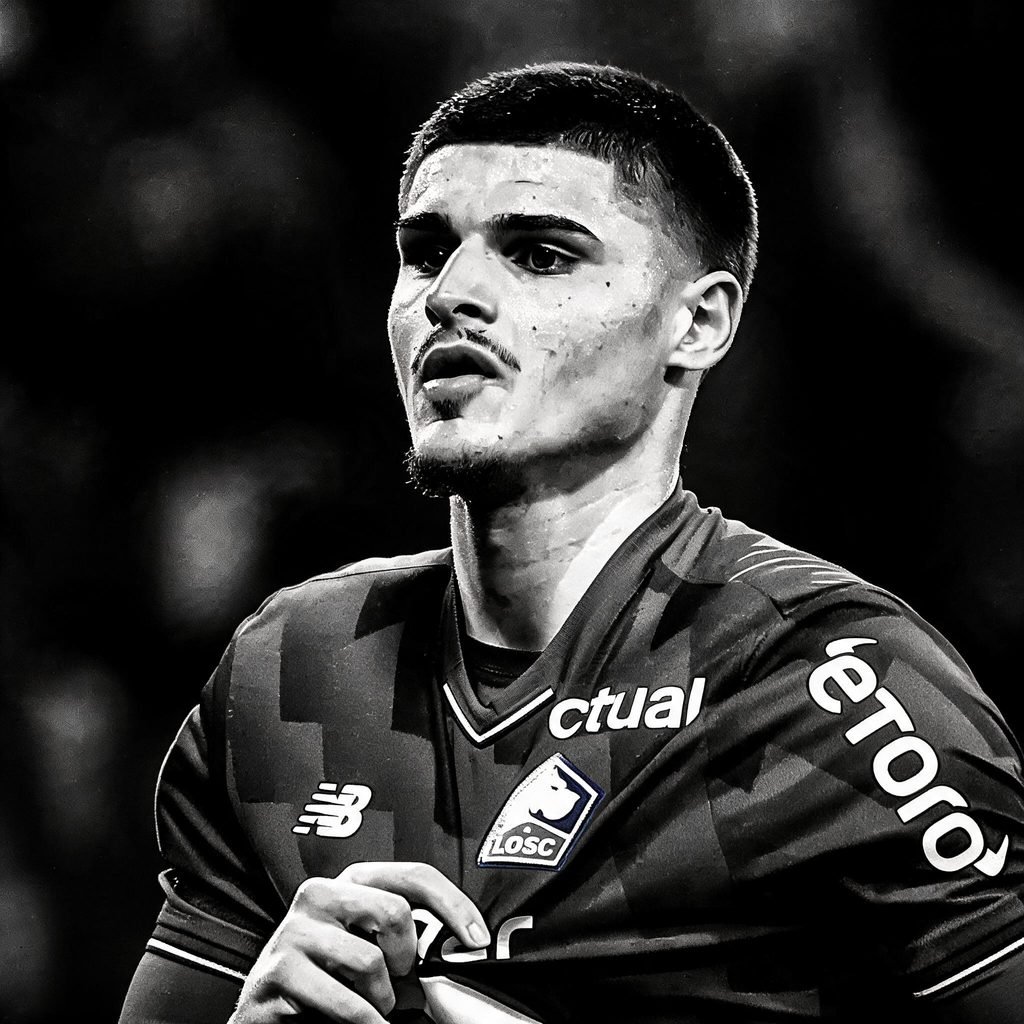
    Then, on deadline day itself, the domino that made sense of everything else fell: Matias Fernandez-Pardo, twenty-one, from Lille for £51.4m on a five-year deal, taking the summer’s total spend to £266.4m. This was not a panic buy dressed up as ambition. Lille had frozen him out of training for the better part of a week rather than risk their asset before a deal closed; Newcastle’s opening bid near €40m in early August was returned unopened, and it took a final offer around €60m plus add-ons — with the player’s own resolve softening on his earlier insistence on Champions League football — to get it over the line. A Belgian international who plays off either flank or through the middle, comfortable receiving and carrying into the box, he is the closest thing this squad has to Gordon’s departed creativity, bought a full year younger and on a fee that will amortise gently across five seasons rather than sit as a single painful line in next year’s accounts.

    Net spend across the whole window: a little over £30m. Compare that with the £141m net cost of transfers Newcastle contracted for in the twelve months to last summer, against £20m the year before that, and the shape of Wilson’s discipline becomes obvious. This was the heaviest squad overhaul of the PIF era, and it was very nearly self-funding.

    The deadline-day edges

    The signing explains only half of a good window; what a sporting director declines to do explains the other half. Nottingham Forest had a £10m bid for Jacob Murphy rejected over the weekend, returned with £15m on deadline day, and were rejected again — twice, in the space of a day, for a thirty-one-year-old entering the final year of his contract. Social media did not love the decision. But Jaissle had already spoken of a leadership “vacuum” in a dressing room that lost Bruno, Trippier and Tonali inside one summer, and Murphy is the club’s longest-serving player, 267 appearances deep since arriving from Norwich in 2017. Selling your most experienced pro for late-window cash, with no replacement lined up and a right-hand side already carrying Livramento and Dedić as each other’s only cover, is the kind of “good business” that reads well in a spreadsheet and terribly in a February relegation six-pointer. Wilson and Jaissle judged the football risk correctly, even if it leaves a contract question to resolve before next summer.

    Nick Woltemade’s exit tells the same story from the other direction. Newcastle’s club-record signing a year ago at an initial £65m, he had fallen behind Osula, Wissa and Willock in the pecking order under the new head coach and was heading for a loan for weeks — but the move was made contingent on Fernandez-Pardo’s arrival first. Nobody leaves until somebody arrives, was the internal line, and it held: the Belgian’s signature cleared the way for Woltemade to fly to Turin hours later, joining Luciano Spalletti’s Juventus on a season-long loan worth £3.5m to Newcastle, with no obligation to buy. That is asset preservation, not a fire sale — Newcastle get a struggling striker’s wages off the books for a season and retain full control of his valuation heading into next summer, rather than accepting a discounted permanent fee under deadline pressure. Sean Neave, nineteen, was also cleared to find senior football elsewhere on loan, the kind of minor squad-tidying that barely registers against nine-figure fees but matters to a development pathway.

    The balance sheet underneath it all

    None of this happened in isolation from the boardroom. The club refinanced in July 2025 into a £50m term loan and a £50m revolving credit facility at SONIA plus 2.15 and 2.1 per cent respectively, secured against Premier League central funds and St James’ Park ticket revenue, running to 2028. A further £106.5m of equity funding arrived from PZ Newco in September 2025, on top of £50m raised through the share premium account during the financial year. Record commercial revenue — up 44 per cent to £120.1m, contributing to £335.3m in total turnover — is beginning to look like the off-field engine this ownership always promised rather than a line in an ambition deck. Put simply: Wilson wasn’t just managing a football rebuild this summer. He was managing it inside a financing structure that had just been rebuilt underneath him, against a regulatory framework that changed its rules on the same afternoon the season kicked off, for a chairman’s boardroom that is separately trying to work out how to fund a stadium project north of £1bn.

    That he delivered a coherent, positionally sensible, five-years-younger squad within all of that — average age twenty-one among the new intake, a goalkeeping succession plan quietly assembled behind Nick Pope’s thirty-four-year-old frame, a genuine like-for-like creative replacement for Gordon bought at a discount to Lille’s opening valuation — is the kind of execution that doesn’t often get the credit it deserves, because it shows up as an absence of chaos rather than a highlight reel.

    What still creaks

    Credit isn’t the same as immunity from scrutiny, and a fair review owes the reader the cracks as well as the ceiling. The back four is the oldest part of an otherwise adolescent squad — Botman and Thiaw are asked to carry a season between them, with Schär and Burn both thirty-four behind them. Central midfield, rebuilt more aggressively than anywhere else, now leans on a twenty-year-old, an eighteen-year-old and a twenty-year-old alongside González, Ramsey and an ageing Joelinton with a recent surgical history. A squad cost ratio does not care about a five-year plan when three of your midfielders are teenagers in a February relegation scrap. And the Murphy contract situation — rejecting £15m for a player who could yet walk for nothing next summer — will need resolving with a new deal or a January sale, not left to drift.

    The verdict
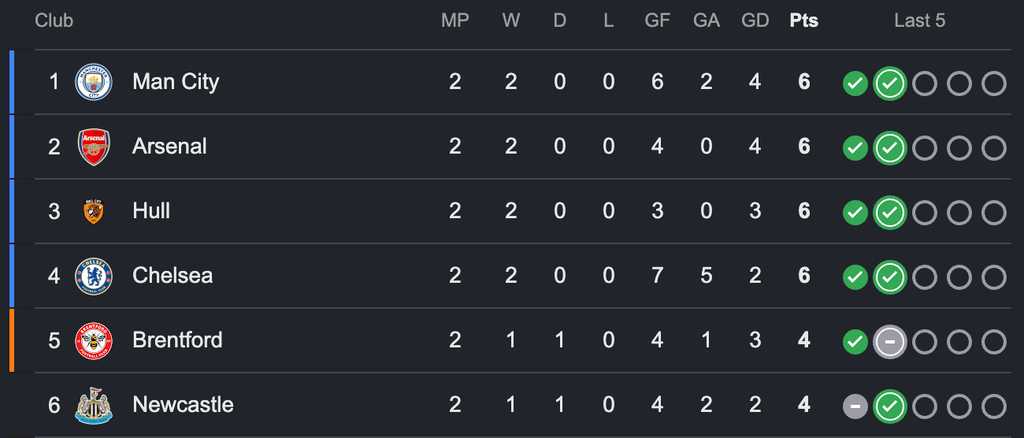
    Three unbeaten league and cup performances to open the season — a battling 2-2 with Liverpool, a fightback past West Brom in the Carabao Cup, a proper away win at Tottenham — is a small sample, but it is not nothing for a head coach a month into the job with half his midfield still learning English pitches. The pieces Wilson assembled are, on the balance of the evidence so far, coherent rather than merely expensive.
    Judge this window against what it actually was — not a transfer window in isolation, but a sporting director eleven months into the job, replacing a head coach mid-preparation, selling three internationals into a market that wanted them badly, buying eight replacements at a discipline of youth the club has rarely shown, and doing it all for a net outlay smaller than what Newcastle spent on Bruno Guimarães alone back in 2022 — and it stops looking like a chaotic summer. It looks like the first window since October 2021 in which the football department, the finance department and the head coach’s office were all reading from the same page. That it happened during the most turbulent hundred days this ownership has overseen is not a coincidence worth glossing over. It is, on the evidence in front of us, rather the point.

    What do you think of the job Ross Wilson has done this summer? Are you satisfied with the recruits who have joined the cause? Join the conversation on X @mytoonarmy #NUFC
  • The Hundred Days That Reset Newcastle United

    100 Days of Change at Newcastle

    Seven goals. Barcelona put seven past Newcastle United at Camp Nou on the eighteenth of March, a 7-2 rout that turned a tie level at 1-1 after the first leg into an 8-3 aggregate defeat — a scoreline that read less like a football result than a coroner’s finding. The Champions League run was over at the last sixteen. What followed was a slow bleed of a spring: a 12th-place finish, five points adrift of Europe, and the particular Tyneside indignity of watching Sunderland close the season seventh. The expected-goals table said Newcastle should have finished tenth. They didn’t even manage the mediocrity they’d earned.

    And yet. Look at the attendance column for that miserable campaign and something strange appears. Average home league gate: 52,161. Highest: 52,514, against Everton in February. Lowest: 51,109, for an FA Cup tie against Manchester City that Newcastle lost 1-3. In a season with almost nothing to recommend it, in a stadium holding a shade over 52,000, they filled it. Every week. The football was rotten and the queue on Barrack Road never shortened.

    That is where this story actually starts. Not with a signing or a sacking, but with a fanbase that kept turning up through the worst of it — and with a club that spent the winter looking dead while, underneath, everything was being rearranged.

    The unmaking

    June and July took the spine out. Sandro Tonali to Tottenham for £92.5m, becoming that club’s record signing on arrival. Bruno Guimarães — the heartbeat, the top league scorer, the man who kissed the badge — to Arsenal for £75m. Anthony Gordon, England’s man at the World Cup and the closest thing this squad had to one of their own, to Barcelona for £68m. Kieran Trippier gone on a free to Wolves. Matt Targett and Emil Krafth released.

    Some £236m out of the door in nine weeks, and three of the best players in black and white walking through it. For supporters who’d been asked for four years to trust a process, it felt for a fortnight like the removal men had been given a key.

    Then, on the last day of July, Eddie Howe resigned. Four years and eight months — nearly the whole PIF era in one man. He had taken this club off the floor in November 2021 and put a trophy in its hands at Wembley for the first time in seventy years. Whatever you thought of his final season, his leaving felt like the end of something that wasn’t supposed to end yet.

    By the first week of August, Newcastle United had no manager, no Bruno, no Tonali, no Gordon, and a Premier League opener against Liverpool three weeks out.

    The chrysalis

    Here is where the club moved faster and more decisively than at any point in its modern history.

    Matthias Jaissle — thirty-eight, an Austrian double at Red Bull Salzburg, back-to-back AFC Champions League titles at Al-Ahli, the first coach ever to manage that feat — signed a four-year deal. Al-Ahli didn’t want to lose him; Newcastle paid £9.5m to make the objection academic. Paperwork delays meant he joined the squad mid-camp in La Manga rather than at St James’ Park, coaching players he’d barely met, a fortnight before the season.

    When he finally walked out onto the pitch on Barrack Road, he turned to his assistants and found them doing the same thing he was: smiles and goosebumps, in his words. Within days he was on Instagram — the first Newcastle head coach since Rafa Benítez to bother with it — thanking supporters for the welcome and saying he could feel the right energy in the place. A small thing. But this is a city with a long memory for managers who talked down to it, and Jaissle, in careful, excellent English, did the opposite.

    He also refused to lie. Asked what he’d achieve this season, he wouldn’t promise anything, described the squad as being in a transition phase, and said plainly that none of it would happen overnight. His message to supporters was four words: “keep the optimism.” Coming from a man who’d just inherited a demolition site, it landed as honesty rather than spin — and on Tyneside, honesty buys more goodwill than a press-conference guarantee ever has.

    The rebuild, in numbers

    Roughly £215m of that £236m went back out into the market on seven signings — and then, on deadline day itself, a further £51.4m on an eighth, taking total spend past what the summer’s sales brought in. The shape of the business tells you everything about the plan.

    Nico González arrived from Manchester City for £48m — the experienced midfield anchor supporters had been begging for, and the statement that steadied the whole window. Bazoumana Touré came from Hoffenheim for £43m. Amar Dedić, a full-back who’d played under Jaissle at Salzburg and can operate on either flank, from Benfica for £30m. Then Aladji Bamba from Monaco (£30m), Lukáš Horníček from Braga (£26m), Sean Steur from Ajax (£20m) and goalkeeper Ewen Jaouen from Reims (£18m). And finally, completed today: Matias Fernandez-Pardo, the 21-year-old Belgium international, arriving from Lille for £51.4m on a five-year deal — a front-line forward who started 27 league games for a Lille side that finished third in Ligue 1 last season, and a player Newcastle had tracked for well over a year before finally landing him.

    Eight signings, an average age of twenty-one among them, layered onto a spine — Burn, Schär, Murphy, Botman, Thiaw — that isn’t going anywhere. This is sporting director Ross Wilson’s thesis made flesh: he has said openly that the club expects to find more value outside the Premier League than inside it, and he has now spent a summer proving he meant it. Sell at peak, buy before the peak, and back the difference with fresh conviction when the right player appears. Newcastle finished this window having spent more than they sold, on a squad five years younger in its most important positions.

    Bricks, mortar and a balance sheet

    The part that will outlast any transfer window is happening away from the pitch.

    Newcastle posted record revenue of £335.3m last year, with commercial income up 44% to £120.1m — the first time this club’s off-field engine has looked remotely like its ambitions. That money is already visible. Around £30m has gone into St James’ Park, the academy, Cochrane Park and the training centre, which has been rebuilt to roughly double its previous footprint and rebranded as The KNOX for this season. Supporters will notice smaller things too: screens on the concourses, more clocks around the stands. Trivial, until you remember that Amanda Staveley once described the training ground she inherited from Mike Ashley as, simply, a joke.

    And the biggest question of all is finally moving. PIF is reportedly prepared to dilute its 85% holding to around 63.75% to bring in outside equity — capital pointed at either a redeveloped St James’ Park or a new ground at Leazes Park, a project that runs past £1bn. Nothing is signed. But after four years of the stadium question being kicked down the road, the machinery is turning.

    Nine days in August

    None of which would matter without a football team, and the football team has been quietly magnificent.

    Liverpool at home on the opening weekend: 2-2, Newcastle the braver side for long stretches, undone only by a Dominik Szoboszlai penalty in the ninety-ninth minute. Three days later, West Brom in the Carabao Cup, and a proper test of character — a goal down inside twenty minutes at St James’ Park before Touré scored on his debut and substitute Harvey Barnes struck twice, the winner on 81 minutes, for 3-2 and Jaissle’s first win. Four days after that, Tottenham Hotspur Stadium: 2-0, Yoane Wissa and Anthony Elanga, three points on the road against a top-six side.

    Three games, nine days, unbeaten. A rebuilt squad with an average age of twenty-one in its new intake, a coach who’d been in the country a month, and not a single collapse when the pressure came.

    What happens now

    Today is deadline day, and the window shuts at 11pm. The Fernandez-Pardo deal is already done and dusted — the headline arrival of the window, signed, sealed, medical passed. What’s still live as the clock runs down is the other end of it: Nick Woltemade’s future, with Juventus understood to be closing in on a loan. By midnight, Jaissle will know the final shape of the squad he’s building his first season around.

    Be clear-eyed about this season. Jaissle has said the word “transition” more often than any other, and he means it. The realistic ambition is a top-half finish, a coherent identity, and young signings surviving their first English winter. Europe would be a bonus and nobody should treat it as a birthright after a 12th-place finish.

    But three to five years out, the shape is unmistakable. A coach whose entire career has been built on making sides greater than the sum of their transfer fees. A recruitment model that sells high, buys early and stays within the rules. Record commercial revenue. A training ground reborn. A stadium decision finally in motion. Five separate strands, for the first time since October 2021, pulling in the same direction at once.

    Newcastle spent last winter looking finished. What was actually happening was the slower, uglier, more necessary work of a thing dismantling itself in order to become something else. Walk up towards the Gallowgate now, on a September evening with the cold coming up off the Tyne, and you can hear it in the noise before you reach the turnstiles.

    They never stopped coming. Now they’ve got something to come for.

    How do you feel about the club after a roller coaster summer? Where do you think the club will finish in the league this season? What are your expectations? Join the conversation on X @mytoonarmy #NUFC
  • The Brussels Boy Who Said No to Spain

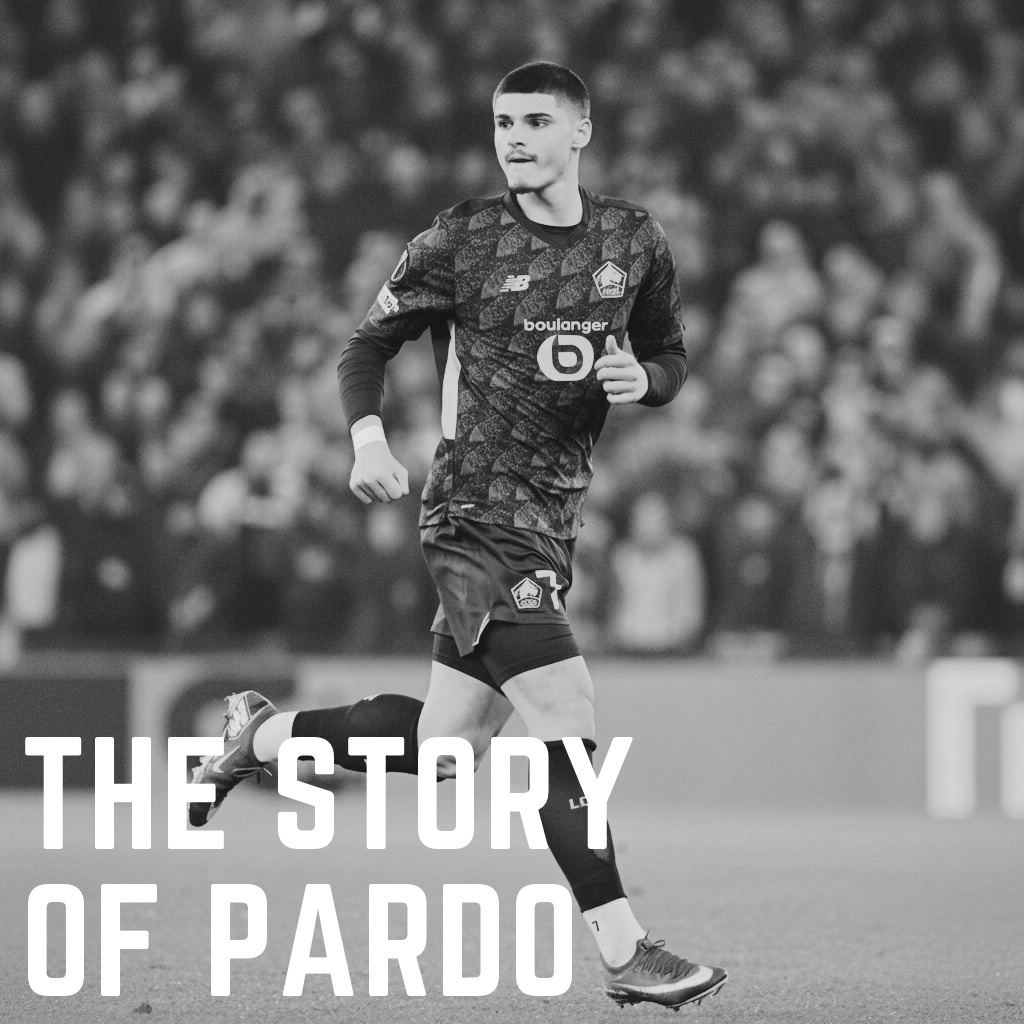
    Matias Fernandez-Pardo has taken the long way round to Tyneside. The route explains the player

    The Story of Pardo

    Four minutes into the second half at Nantes, on a sodden January afternoon in 2025, the ankle gave way

    Matias Fernandez-Pardo had been on the pitch barely twenty minutes. He was nineteen, five months into his return to Lille, still waiting for the season that was supposed to announce him. The ligaments in his left ankle tore. He did not play again until 21 February, watching from the treatment room as a Lille side he had cost roughly €10m chased Europe without him.

    Nineteen months later, Lille wanted €70m for him and Newcastle United paid €60m plus add-ons to end the argument.

    That gap — from a stretcher at the Beaujoire to a deadline-day medical on Tyneside — is the story. The fee alone tells you almost nothing about what Newcastle have actually bought.

    Brussels, and the boy who kept leaving

    He was born in the capital on 3 February 2005, to a Spanish father and an Italian mother. Anderlecht had him first. Then Mechelen. Then, aged nine, Lille came calling and the family said yes to the drive south.

    Six years he stayed at the Domaine de Luchin, a club that has turned academy graduates into balance-sheet miracles with more consistency than anyone in France — Eden Hazard came through those gates, and so did the pipeline that later sold Jonathan David and Edon Zhegrova. Then, at fifteen, Lille let him go home.

    Gent took him in 2020. He spent three seasons in the Jong Gent set-up, playing in front of a few hundred people on Tuesday nights in the Belgian second tier, scoring twice in twenty-six appearances across 2022-23. Nobody was writing scouting reports on him. He made his senior debut in the Conference League on 9 March 2023 and went straight back to the reserves. Two clubs had now decided he was not quite worth the wait, and he was eighteen — the window in which a Belgian forward is considered a prospect rather than a project was beginning to close.

    Ten weeks that changed the price of him

    The Belgian Pro League’s Europe play-offs are a strange, ugly, thrilling little competition nobody outside Flanders pays much attention to. In the spring of 2024, Fernandez-Pardo scored seven goals in ten matches in it, as a teenager who had started the campaign in the B team. He dragged Gent into Europe more or less by himself, and every recruitment department in western Europe suddenly had a name on a shortlist that had not existed in February.

    Lille got there first, which had a certain symmetry to it. On 30 August 2024, the club that had released him at fifteen paid around €10m to bring him back at nineteen, on a five-year deal, with an internal brief that read something like: this is who replaces Zhegrova when Zhegrova goes. He scored his first goal for them on 10 November, an equaliser against Nice. Eight weeks later, the ankle went at Nantes.

    The Metropolitano, and the turn

    Recovery is not a narrative — it is physio sessions and gym work while your competition takes your minutes. What mattered was what he did with the first proper chance afterwards: Lille handed him his first senior start in the Champions League, away at Atlético Madrid, and won 3-1. By the run-in he was undroppable, starting seven of the last eight league games with three goals and an assist. The debut season the ankle had swallowed ended with him as the most interesting player at the club. Then came 2025-26, and the numbers stopped being suggestive and started being loud.

    The data: what Newcastle actually bought

    Twenty-nine Ligue 1 appearances, twenty-seven starts. Eight goals, five assists — joint-top scorer for a Lille side that finished third and qualified for the Champions League. Good numbers for a twenty-one-year-old. Not, on their own, €60m numbers.

    The €60m sits underneath them. Among Ligue 1 players averaging five or more take-ons last season, he ranked fourth in the division for dribble success rate at 54 per cent — high volume and high conversion, from a lad somewhere between 1.83m and 1.88m who runs like a winger half his size. Against Ligue 1 attacking peers he sat in the 88th percentile for carries into the penalty area, the 86th for goal-creating actions, with non-penalty xG of 0.36 per 90 — top thirteen per cent of the league. He does not just beat his man; the ball ends up somewhere dangerous.

    There is a flip side Newcastle’s data department will have modelled before Ross Wilson picked up a phone. For a player his height, his aerial numbers are startling — roughly 0.15 aerial duels won per 90, an eighth-percentile figure — and his tackles and recoveries sit in the bottom third of the league. Jaissle presses relentlessly, and the four-two-three-one he has installed at Benton is built on winning the ball high. A forward who does not recover possession has to justify himself with the ball instead. The bet Newcastle have made is that he will.

    The passport, and the character underneath it

    Here is where you learn something about the young man rather than the footballer.

    Fernandez-Pardo came through Belgium’s youth system, under-15s through under-19s. Then, on 26 February 2025, with his Lille career stalled and his ankle still knitting, FIFA approved a change of sporting nationality. He became Spanish. Spain called him into under-20 and under-21 camps. He never played a minute — by his own account he turned Spain down something like four times.

    On 14 May 2026, FIFA approved the switch back. He was Belgian again. The following day, Rudi Garcia named him in Belgium’s World Cup squad. Think about the nerve that takes at twenty-one — walking away, twice over, from a guaranteed pathway with the reigning European heavyweights of youth football because it did not feel like his. He told L’Équipe he felt more Belgian than Spanish, and rang Thomas Meunier and Nathan Ngoy to talk it through. On Instagram he wrote it had been an important decision for him and his family, and that he was proud to be Belgian.

    He made his senior debut on 3 June 2026 against Croatia. Thirteen days later, at the World Cup, Garcia sent him on in the 86th minute against Egypt — for Jérémy Doku, which is either coincidence or a statement about what Belgium think he is. Meunier’s assessment has followed him around since. A true soldier. Not a flair player. A soldier.

    Deadline week, and the freeze-out

    Lille’s summer position was simple and did not move for two months: €70m, or he stays. Atlético tried around £30m and were dismissed. Arsenal had him listed. RB Leipzig and Liverpool went hard. Newcastle’s opening bid, near €40m in early August, was returned unopened.

    What shifted was the player. Craig Hope reported Newcastle had received encouragement that his earlier insistence on Champions League football had softened — no small thing, given Newcastle are watching this season’s European nights on television. Whatever Jaissle and Wilson put in front of him about minutes and a rebuilt front line, it landed.

    On Tuesday 25 August, Newcastle returned with €60m including bonuses, framed internally as final. Lille’s answer arrived in the team sheet rather than a press release: on 27 August, Davide Ancelotti confirmed the player would not train with the squad for the rest of the window. The following night Lille played Paris Saint-Germain without him, then signed Ayase Ueda as his replacement. You do not buy a replacement for a player you intend to keep.

    Fabrizio Romano posted the words at lunchtime on Sunday: agreed, his iconic “Here We Go”, €60m plus add-ons, flying today. A five-year deal, running to 2031. As of writing, Newcastle have not yet posted the announcement graphic — this remains reported rather than confirmed — but the medical was arranged and nobody was briefing against it.

    What Jaissle does with him

    Look at the squad list and the hole announces itself. Anthony Elanga and Jacob Murphy on the right, Harvey Barnes and Bazoumana Touré on the left, Yoane Wissa and William Osula through the middle, Nick Woltemade packing a suitcase. Gordon’s departure took every ounce of the left-sided menace Newcastle had; Barnes is twenty-eight and Touré arrived three weeks ago.

    Fernandez-Pardo does not fit one slot, and that is his value. At Lille last season he started sixteen games centrally and thirteen from the left, doing the same job from both — receive, carry, arrive in the box. Jaissle can play him wide left with licence to cut inside onto his right foot, or through the middle alongside Wissa. If Woltemade leaves, as expected, the centre-forward rotation becomes Osula and Fernandez-Pardo — a young front line, and a fast one.

    Coda

    There is a version of this transfer that reads as a rich club overpaying on deadline day because the alternative was September with Harvey Barnes and hope. That version is not wrong about the price. It is wrong about the player.

    What Newcastle have signed is a twenty-one-year-old released by the club he has just left, who spent a season in Belgium’s second division, who tore his ankle in the first winter of his big move, who was told he could be Spanish and decided he would rather be Belgian, and who has come out the other end of it as the fourth-best dribbler in Ligue 1 and a World Cup squad member.

    Nothing has been given to him. Everything has had to be taken twice.

    Come the first cold Saturday in October, when the Gallowgate is on its feet and the ball is at his feet with a full-back backing off him, none of that history will be visible. Only the acceleration will. But it is why the acceleration exists.

    Will Pardo be able to adapt quickly to the pace and physicality of the Premier League? Are Newcastle the dark horse of the season after their remarkable summer transfer window? Join the conversation on X @mytoonarmy #NUFC

    Reported details are drawn from Fabrizio Romano, David Ornstein and Chris Waugh (The Athletic), TEAMtalk, Get French Football News, L’Équipe, Sacha Tavolieri and Craig Hope, alongside FBref, Opta-derived percentile data and FotMob. The transfer was not officially announced at the time of publication.

  • 24 Hours to Transfer Deadline: Newcastle’s Last Entries in a £244m Ledger

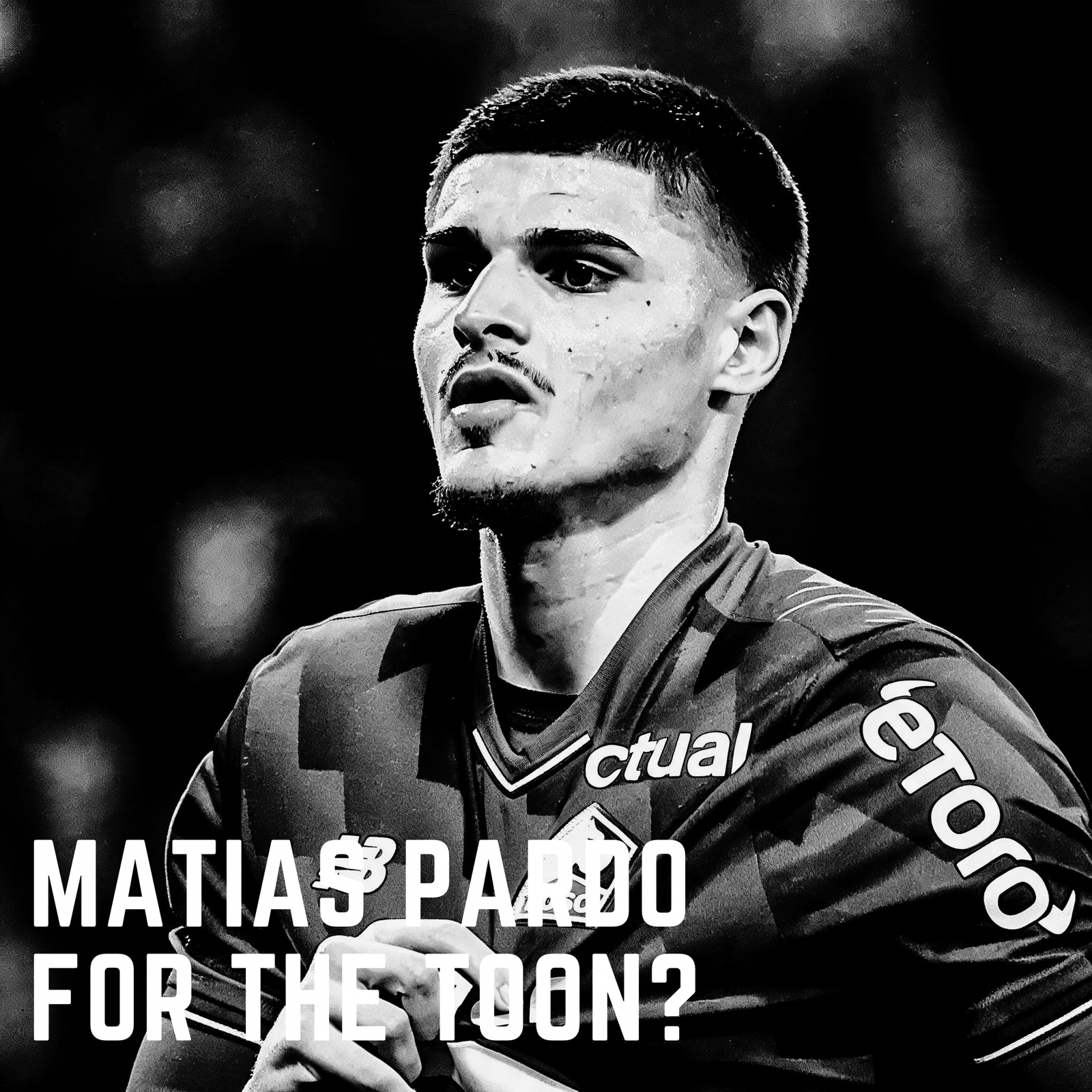
    Matias Pardo for Newcastle?

    At Domaine de Luchin, on the flat farmland south-east of Lille, a 21-year-old Belgian has been training away from the first team for the better part of a week. Matias Fernandez-Pardo has not been dropped for form. He has been quarantined for accounting reasons — a €70m asset that Olivier Létang would rather not damage while three European clubs circle the price tag.

    By eleven o’clock on Tuesday night, that stand-off resolves one way or the other. And so, in large part, does Newcastle United’s summer.

    Ross Wilson’s phone has been the busiest object on Tyneside for a fortnight. Matthias Jaissle admitted as much before the trip to north London, describing the daily push for reinforcements as the first message he sends each morning. Then, in the same breath, the corrective: the German said the club want to be smart and refuse to act in panic. Both halves of that sentence matter. The first is the head coach protecting himself against a thin squad. The second is a sporting department protecting itself against a fee it will still be amortising in 2031.

    The arithmetic of a sold spine

    Start with what left, because everything downstream is a consequence of it.

    Sandro Tonali to Tottenham for £92.5m. Bruno Guimarães to Arsenal for £75m. Anthony Gordon to Barcelona for £68m. Roughly £244m raised across the window once the smaller exits and the released contracts of Kieran Trippier, Matt Targett and Emil Krafth are folded in. Three players who between them started the club’s first Champions League knockout campaign, gone inside nine weeks.

    The reinvestment tells you what kind of institution PIF now believes it is running. Around £220m has gone back out — Nico González from Manchester City at £50m, Bazoumana Touré from Hoffenheim at £43m, Amar Dedić from Benfica at £30m, Aladji Bamba from Monaco at £30m, Lukáš Horníček at £26m, Sean Steur at £20m, Ewen Jaouen at £18m — and the median age of that intake sits at twenty-two. Steur is eighteen. Bamba and Jaouen are twenty.

    Read those two columns side by side and the strategy stops being a mystery. Newcastle have converted three mature, fully-amortised assets into cash at the top of their valuation curve and redeployed the proceeds into registrations with five, six, seven years of residual value ahead of them. The profit on the sales lands in a single accounting period. The cost of the arrivals is smeared across the length of their contracts. It is, in the crudest terms, a balance-sheet trade dressed as a football rebuild.

    Sources familiar with the club’s planning describe it as the only route available under the league’s new architecture. From this season, Profitability and Sustainability Rules have given way to the Squad Cost Ratio and the Sustainability and Systemic Resilience framework, which tether wages, agents’ fees and transfer amortisation directly to football revenue and net profit on player trading. Sell high, buy young, keep the wage bill flat: that is a club optimising for a ratio, not a transfer window.

    The FY25 accounts, signed off by Yasir Al-Rumayyan on 9 November last year, show the machinery underneath. Intangible assets — the book value of player registrations — fell from £350.0m to £281.2m across the year to 30 June 2025, an unusual contraction for a club supposedly building. Net assets climbed from £248.3m to £333.0m. Retained losses narrowed from £221.1m to £186.4m, implying something close to £35m of profit in a season the strategic report describes, with admirable understatement, as mid-table.

    None of that happened by accident. Fifty million pounds of fresh equity flowed through the share premium account during the year, with a further £106.5m arriving from PZ Newco in September 2025. In July of that year the group refinanced into a £50m term loan and a £50m revolving facility at SONIA plus 2.15%, secured against Premier League central funds and ticket revenue, running to July 2028.

    That last detail is the one worth sitting with. Newcastle United have pledged the money that comes through the Gallowgate turnstiles as collateral. Every season ticket sold on Barrack Road is, in the most literal sense, security for the club’s working capital.

    Three strikers, one of them injured

    Now bring the ledger down to the grass.

    The squad list Jaissle is working from contains three recognised centre-forwards. Yoane Wissa is twenty-nine. William Osula is twenty-three and hobbling, forced off before the hour against Liverpool on the opening day with a foot problem that will keep him out for weeks. Nick Woltemade is twenty-four, still the club’s record signing at an initial £65m, and has spent most of August being discussed as though he were surplus.

    Napoli have asked about a loan. Interest has surfaced from Germany. Manchester United were, at one stage, offered the chance to take him. And Newcastle’s position has hardened into something close to an ultimatum aimed at their own recruitment team: nobody leaves until somebody arrives.

    Jaissle would not be drawn after Saturday night’s win in north London, where Woltemade came off the bench and laid the second goal on a plate. Nick is part of the squad, he said, before noting that the club still intend to be active. A head coach who wants a player retained does not phrase it that way. A head coach hedging against a deal that may or may not close by Tuesday night does.

    So the permutations stack up, and they are genuinely open.

    If Fernandez-Pardo signs — Foot Mercato reported the gap narrowing sharply on Sunday morning, after an opening bid of around €45m was dismissed and a second at €60m tested Lille’s resolve — Newcastle have a 21-year-old who can play both flanks and through the middle, the profile Gordon used to fill, and Woltemade’s loan exit becomes viable within hours. If Lille hold at €70m and Newcastle walk, as they briefly did last week, the German stays, Osula’s foot becomes the most scrutinised metatarsal in the North East, and the attack goes into September one injury from Joe Willock playing as a false nine.

    Behind the Belgian sit two names, and one of them arrived in the gossip columns overnight.

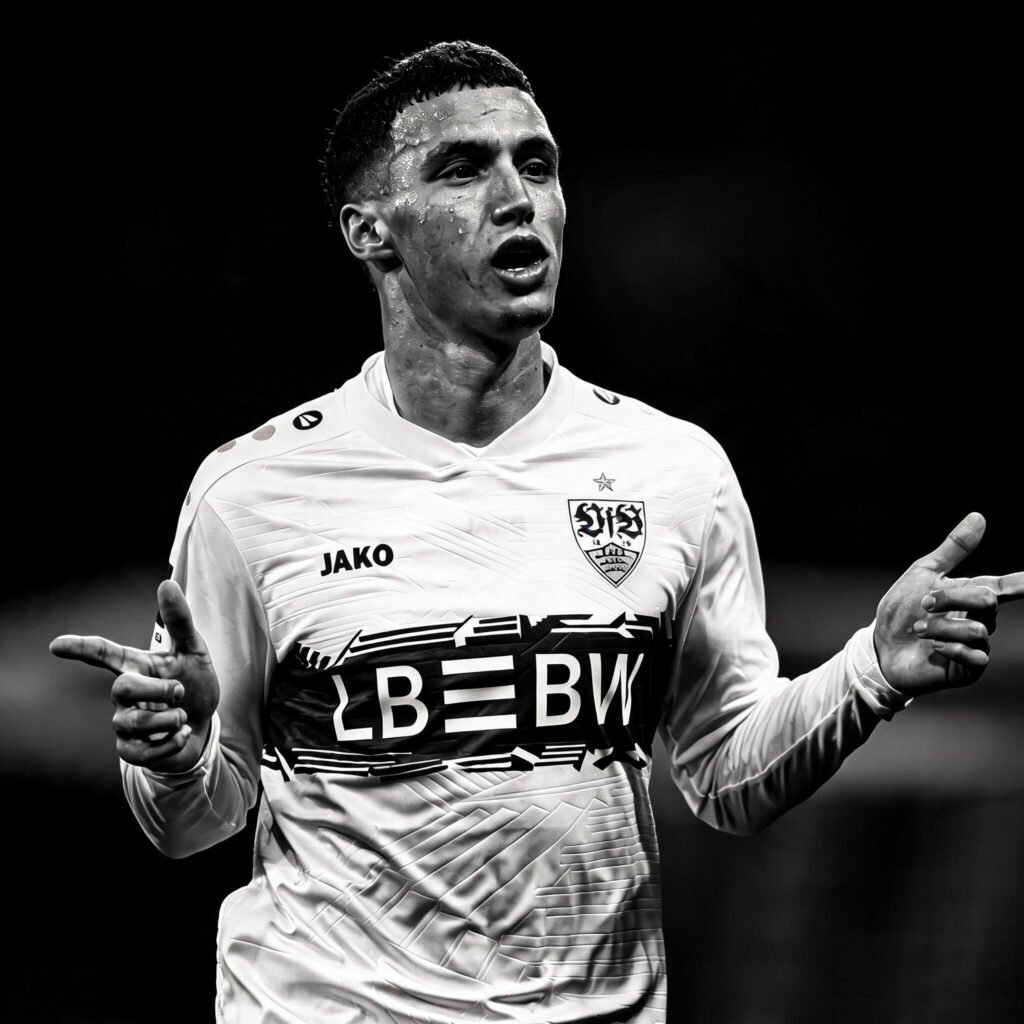
    Bilal El Khannouss at Stuttgart, twenty-two, a creator rather than a runner, already familiar to the recruitment department from his Leicester years, has been under consideration for a fortnight. Matías Soulé has not. TEAMtalk reported last night that Newcastle have joined the pursuit of the Roma winger, twenty-three, an Argentina international whose future in the Eternal City depends on whether Gian Piero Ghisolfi lands the attacking reinforcements he has been chasing. Fulham, Everton and Brighton are watching. AC Milan have talked to his representatives.

    And so, inevitably, have Sunderland.

    The Black Cats approached Roma for Soulé in July and could not agree terms. They have circled back in the closing hours, with Igor Paixão at Marseille the parallel track, and they will make a late offer if Roma soften. Which means the most likely late signing of Newcastle’s window is a player their neighbours have wanted since midsummer, in the first season since 2016 that both clubs have shared a division, with a derby at the Stadium of Light already inked into the calendar.

    Nobody at Benton will admit that changes the calculus. It changes the calculus.

    Soulé would also stretch the age policy that has governed everything else. At twenty-three he would arrive older than Touré, Bamba, Steur and Fernandez-Pardo, and level with the band occupied by Dedić and Horníček — hardly a veteran, but evidence that the discipline of the early window loosens as the clock runs down. Deadline day has a way of turning a recruitment philosophy into a set of available options.

    Where the shape still creaks

    Look past the forward line and the gaps are structural rather than cosmetic.

    At right-back, Tino Livramento and Amar Dedić are cover for one another, with 19-year-old Leo Shahar the only other listed option. In central defence, the club is asking Sven Botman and Malick Thiaw to carry a season on their own; behind them sit Fabian Schär and Dan Burn, both thirty-four, the latter now wearing the armband in a dressing room that lost Bruno, Trippier and Tonali inside a single summer. The average age of that back line, weighted by likely minutes, is the oldest part of an otherwise adolescent squad.

    Midfield is where the rebuild has been most aggressive and is therefore most exposed. González arrived from City as the one ready-made starter in the entire intake, and he was, by the reckoning of most who watched Saturday, the best player on the pitch — a fact rendered slightly cruel by the identity of the man he outplayed. Around him: Bamba at twenty, Steur at eighteen, Lewis Miley at twenty. Jacob Ramsey and Joelinton are the only senior ballast, and Joelinton is thirty and has a surgical history in that thigh.

    Figures close to PIF’s strategy have long argued that the plan was never a two-year plan. Fair enough. But a squad cost ratio does not care about your five-year horizon, and neither does a Tuesday-night fixture in February when three of your midfielders are still teenagers.

    What Tuesday actually decides

    There is a version of this window that closes tomorrow night looking coherent. Eight signings. A Belgian winger with a decade of resale ahead of him. A German striker gaining minutes in Serie A while Osula heals. A wage bill materially lighter than the one Eddie Howe left behind.

    And a net spend that barely registers. Run the two columns: £244m banked from the sales, roughly £220m committed on the seven arrivals to date, plus something near £52m if Lille finally take the money for Fernandez-Pardo. That leaves the club about £28m lighter across the whole summer — a rounding error against a squad that has been rebuilt almost from the spine outwards. Newcastle will have replaced three established internationals, changed their head coach, cut the average age of the first team by years, and spent, in cash terms, less than they paid for Bruno Guimarães in 2022.

    There is another version where Lille hold firm, the alternatives prove unreachable inside twenty-four hours, and Newcastle enter the international break having sold £244m of proven Premier League output and replaced it with promise, a hospital wing and a coach who has been on Tyneside for four weeks.

    The gap between those two outcomes is roughly €10m and one phone call.

    Down at St James’, the flags are already going up for the next home fixture. The wind coming off the Tyne has that early-September edge to it, the one that tells you the summer’s arguments are about to become the season’s results. Somewhere above the Milburn Stand, in an office with the blinds half-drawn, someone is doing sums against a clock.

    Twenty-four hours. Then the ledger closes, and the football starts telling us whether the accountants were right.

    Is Pardo the answer Jaissle is looking for? Are you happy with the summer transfer window? Join the conversation on X @mytoonarmy #NUFC
  • Sold, Then Beaten: Newcastle’s Cut-Price Rebuild Humbles Tottenham’s £100m Gamble

    #TOTNEW

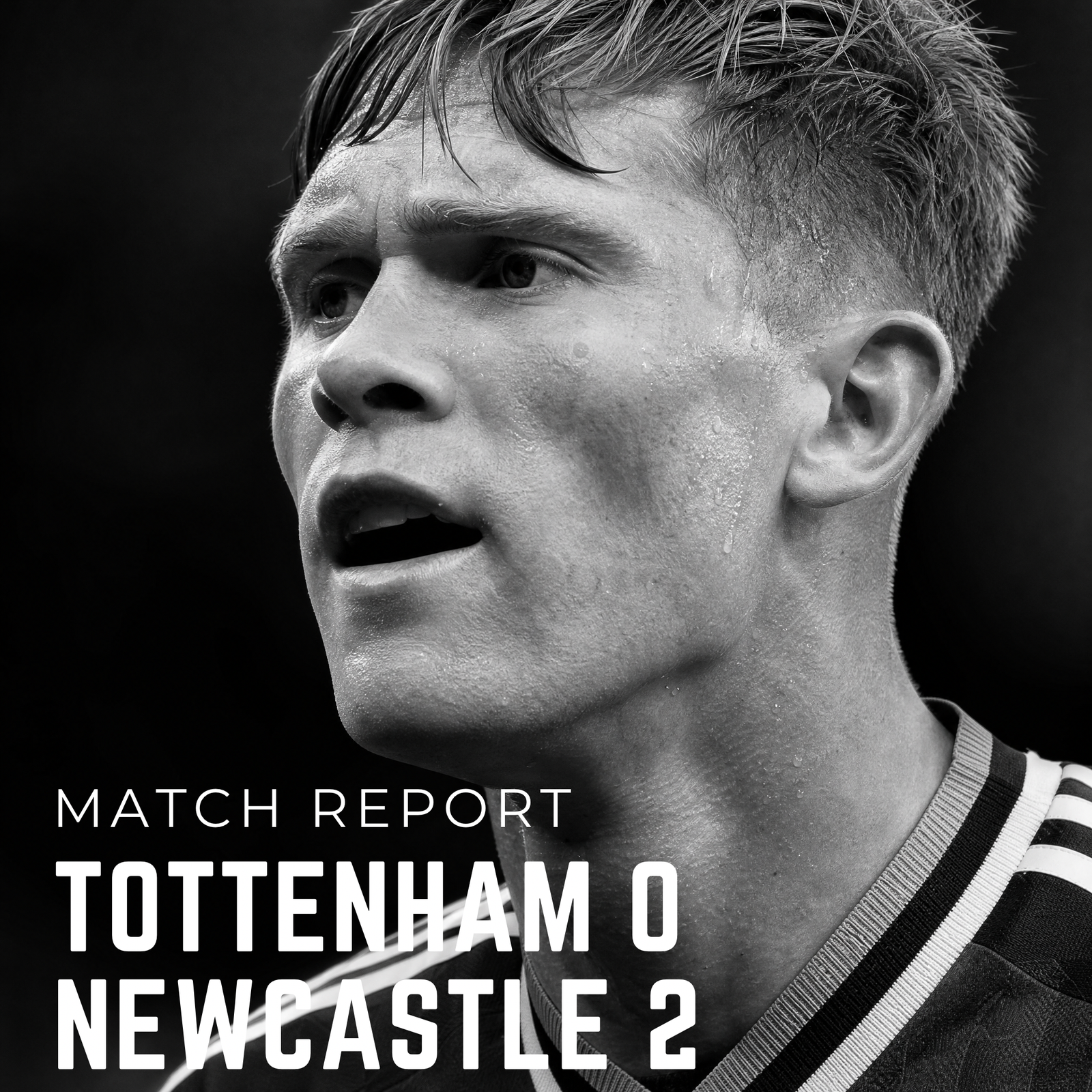
    Sandro Tonali spent Saturday afternoon in a shirt that wasn’t black and white, and by the time Roberto De Zerbi withdrew him on 75 minutes, his old club had already put the game beyond Tottenham’s reach. There was something almost cruel about how it played out — the player Newcastle sold for up to £100 million this summer, watching from the touchline as two of the young unknowns his old club bought to replace him finished off a performance built on exactly the qualities his sale was meant to fund: patience, discipline, control of the moments that actually matter. Final score: Tottenham 0, Newcastle 2. But the story of this afternoon had been written months earlier, in a transfer window that pulled these two clubs in opposite directions.

    Tottenham arrived at this fixture as a club trying to buy its way back to relevance. A year ago they were fighting relegation, sacking Thomas Frank in February and watching interim Igor Tudor lose all seven games of a doomed 44-day spell before Roberto De Zerbi walked into a dressing room sitting one point above the bottom three. He kept them up. This summer, handed total control over football operations and a five-year contract, he spent — heavily, and headline-grabbingly, none more so than the fee that brought Tonali south from Tyneside. It was meant to announce Tottenham’s return to the conversation about the top of the table.

    Newcastle’s summer told the opposite story, and a stranger one. Eddie Howe, the manager who’d taken the club from Saudi-backed ambition to genuine Champions League contention across four seasons, walked away partly in protest at the decision to cash in on the spine of his side — Anthony Gordon to Barcelona, Bruno Guimarães eventually to Arsenal, and Tonali, the one Howe fought hardest to keep, sold to the very club Newcastle were about to play. Something in the region of £236 million came in. Curiously, most of it had already gone back out before Howe left the building — a goalkeeper from Sporting Braga, a winger from Hoffenheim, midfielders from Ajax and Monaco, none of them arriving with any reputation to speak of, and none of them, by most accounts, resembling the kind of player Howe had built a career recruiting. Matthias Jaissle only arrived afterwards, to manage a squad that had largely already been assembled without him.

    There’s a theory doing the rounds at St James’ Park — unconfirmed, but persistent — that the recruitment had Jaissle’s profile in mind well before his appointment was ever made official, and that the identity of those signings said more about where the club was heading than anything said publicly at the time.

    Which is what made Saturday feel like more than three points.

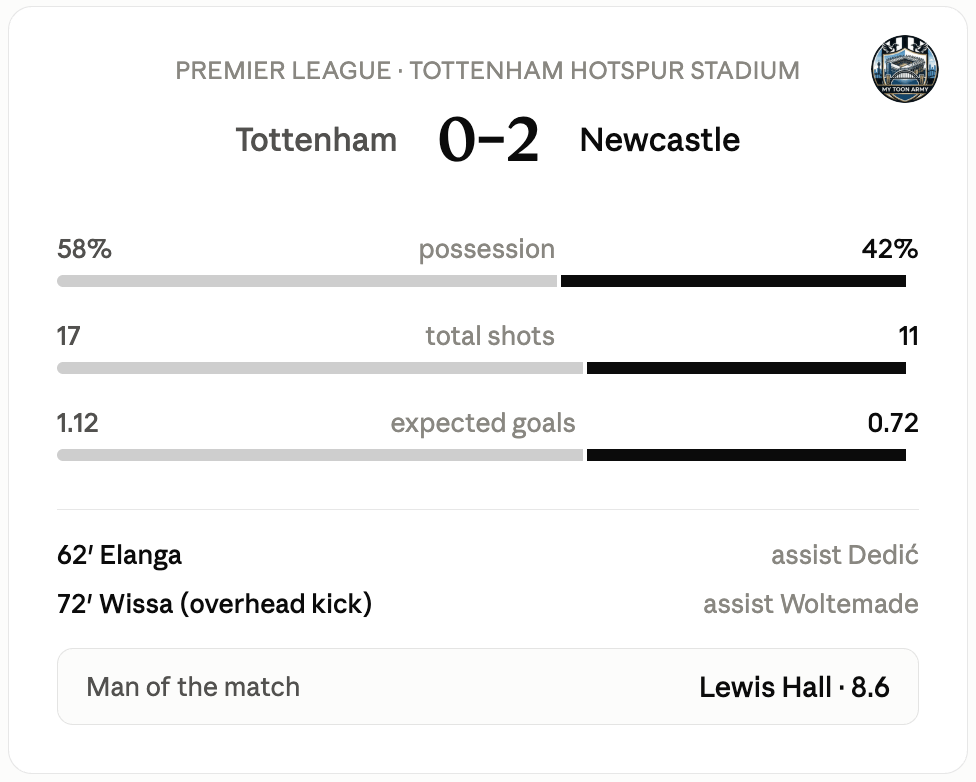
    Tottenham had the players anyone would recognise, and for long stretches, the better of the football — more of the ball, more shots, more of the pressure that comes naturally to a side built around a £100 million midfielder rather than a teenager still finding his feet. What they didn’t have was control of the moments that decided the match. Newcastle gave up little clean space in front of their own goal, and on the couple of occasions Tottenham did carve out a real opening, Lukáš Horníček — another of those unheralded summer arrivals — was equal to it. When Newcastle’s own chances finally came, they were taken with a composure that made the scoreline look inevitable rather than fortunate.

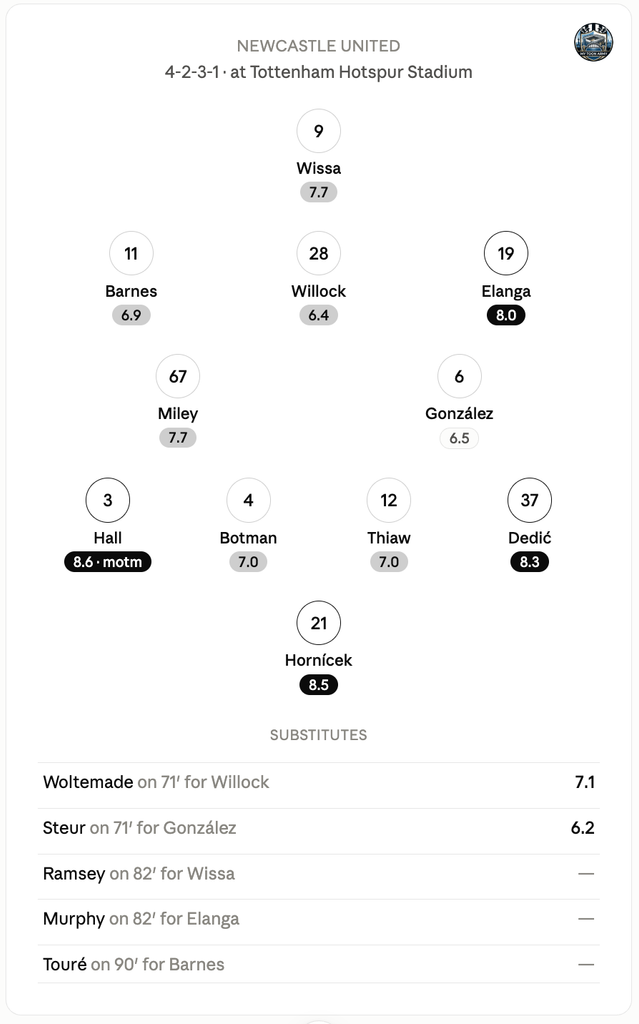
    Anthony Elanga gave them the lead just after the hour, teed up by Amar Dedić’s overlapping run down the right — the kind of combination Jaissle’s side had been quietly building all afternoon while Tottenham huffed and puffed in front of them. Spurs searched for a way back in, making three substitutions in one go to change the picture. Newcastle responded by bringing on reinforcements as well: Nick Woltemade had barely found his bearings on the pitch before heading down a ball from a corner that Yoane Wissa met with an overhead kick, the finish of a team playing with more conviction than its transfer-market value suggested it had any right to.

    Man of the Match: Lewis Hall

    There was a personal story running through the game too. Lewis Hall had conceded two penalties in his previous two outings, the sort of run that follows a young full-back around and invites doubt about his temperament in the biggest moments. Against a Tottenham side that looked intent on targeting him early, he produced the best performance on the pitch — winning more duels, making more defensive contributions than anyone else out there, and doing it while still finding the energy to get forward and create.

    A debut to remember

    And a few yards inside from him, in the same central-midfield zone Tonali and Guimarães used to patrol, Nico González made his full debut. It wasn’t chance-free — the physical battles mostly went against him, and Jaissle withdrew him after 71 minutes to preserve his fitness. But he barely misplaced a pass all afternoon (the long diagonal to Dedić to setup the assist for the goal a particular highlight) , the kind of technical composure that may well make him the central piece in the summer rebuild of Newcastle 2.0.

    Both clubs go again on 5 September — Tottenham away at Nottingham Forest, still searching for a first point and already facing questions about whether spending can substitute for cohesion; Newcastle at home to Bournemouth, with the growing belief of a squad discovering itself in real time. It’s one result, early in a long season, and nobody at St James’ Park will mistake it for anything more than that. But for a club that spent the summer being told what it had lost, beating the team that bought its best player, at his own stadium, with the players bought to replace him — that’s a start worth having.

    Will Spurs struggle again this season despite the massive summer spending? Has Newcastle found a formula under Jaissle that works? Join the conversation on X @mytoonarmy #NUFC